
Read the first two chapters below! Also available on the Amazon Kindle page
Death in Malibu doesn't look like an ending. It looks like an interior design choice.
When investigative journalist Sam Rose finds his ex-girlfriend Amber Lane dead in a luxury hotel bathtub, the scene is staged like method acting research for a high-profile remake of Basic Instinct. The cops call it an accident. The producer calls it dedication. But Amber was terrified of water, and her roommate Ramona Bloom isn't buying the official story.
When investigative journalist Sam Rose finds his ex-girlfriend Amber Lane dead in a luxury hotel bathtub, the scene is staged like method acting research for a high-profile remake of Basic Instinct. The cops call it an accident. The producer calls it dedication. But Amber was terrified of water, and her roommate Ramona Bloom isn't buying the official story.
Together, Sam and Ramona chase a trail of red carpets, NDAs, and whispered secrets through a city where empowerment is just exploitation with better lighting. From Beverly Hills therapy sessions to Malibu penthouse suites, they uncover a pattern of actress deaths disguised as artistic exploration—each one more elaborate than the last. As Sam navigates his growing attraction to the sharp-tongued dog photographer who refuses to let her friend's death become another Hollywood cover-up, he's forced to confront his own failures as both a journalist and a father.
Balancing soccer games with his eleven-year-old daughter against late-night stakeouts, Sam discovers that investigating murder in a town built on beautiful lies means everyone has secrets worth killing for. As Hollywood's spin machine closes in and the body count rises, Sam has to decide whether he's chasing justice, obsession, or just another story that could cost him his family—and his life.
Darkly funny, razor-sharp, and unflinchingly noir, The Velvet Mask peels back the glitter of Los Angeles to reveal the machinery of exploitation beneath, where even murder gets a makeover.
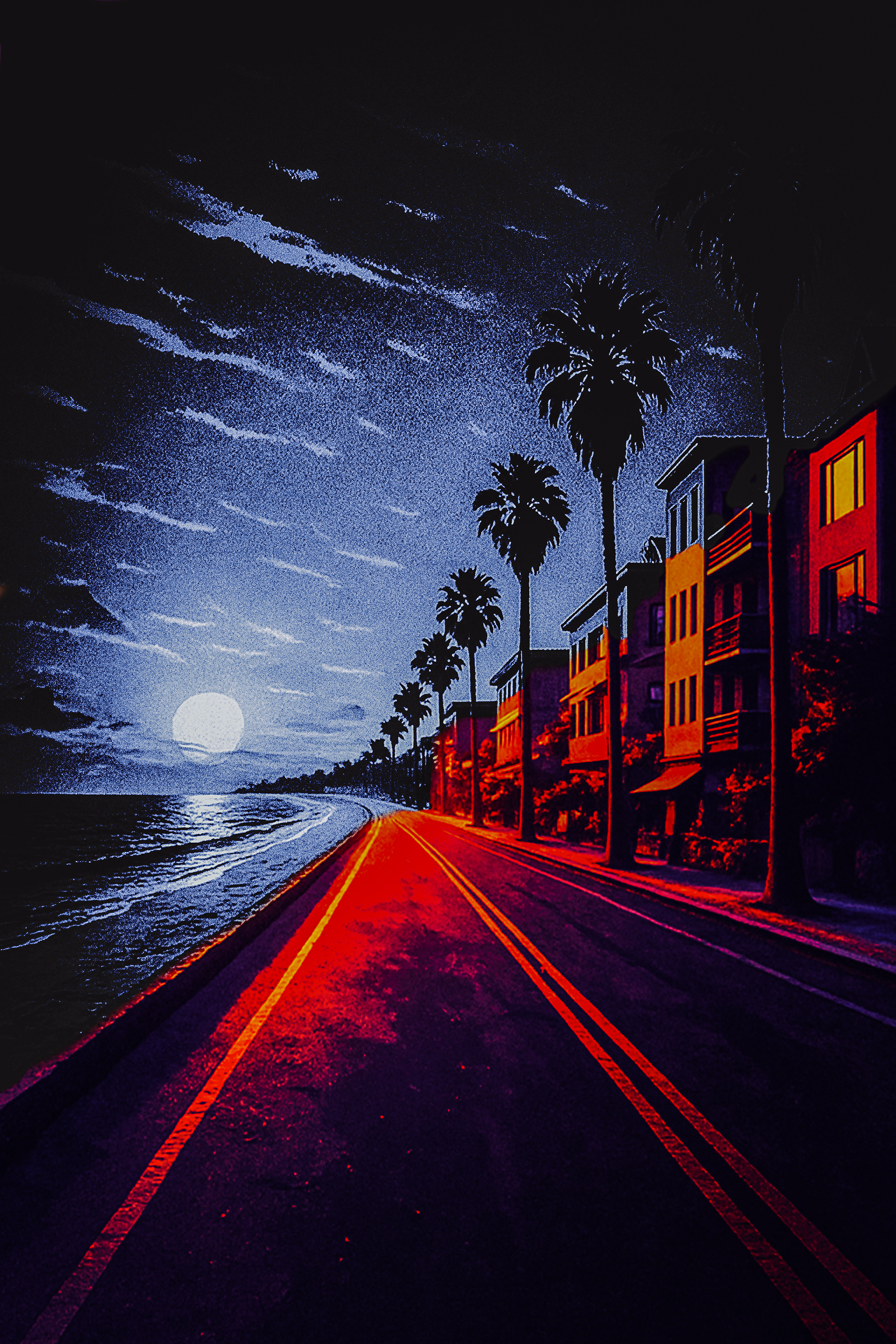
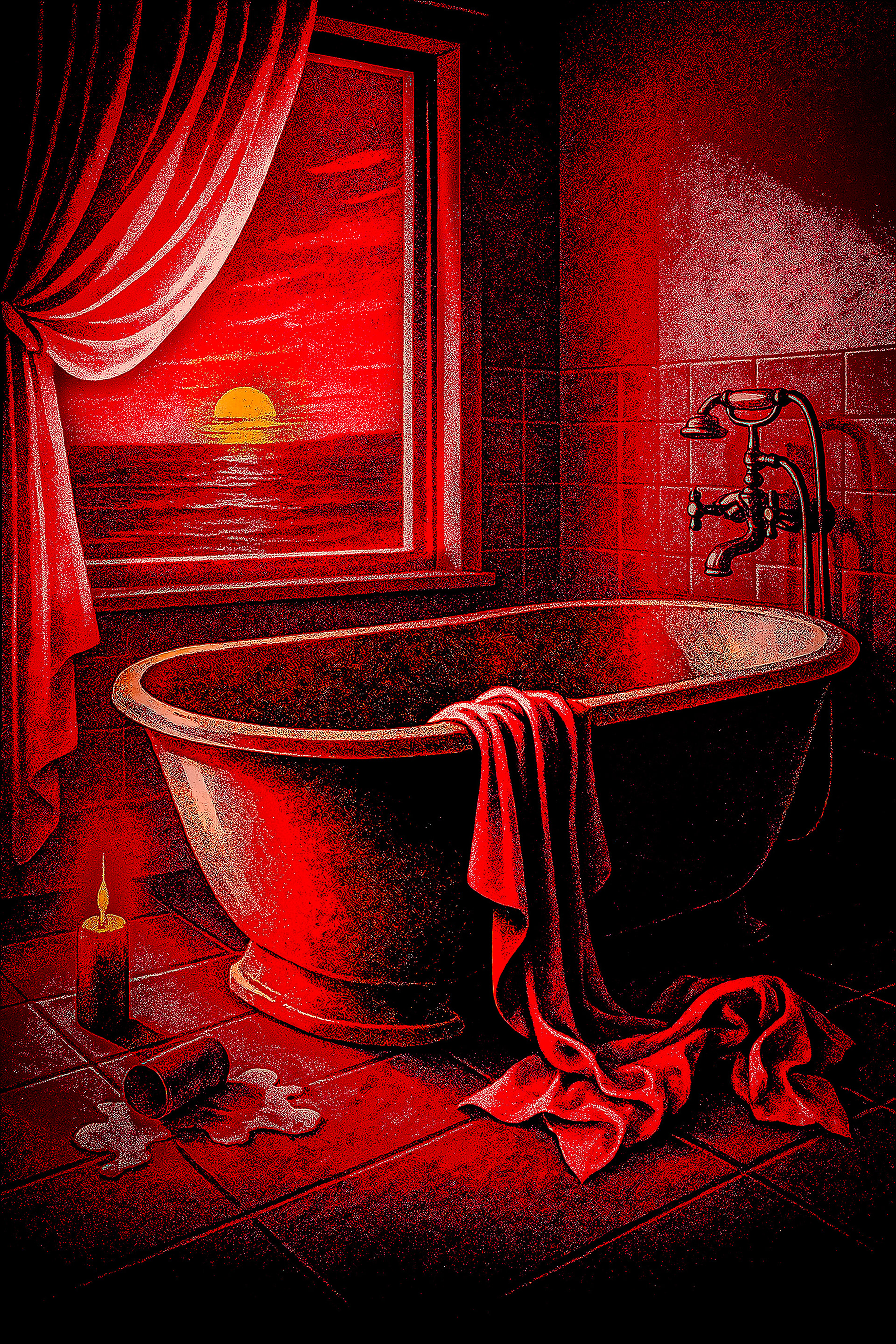
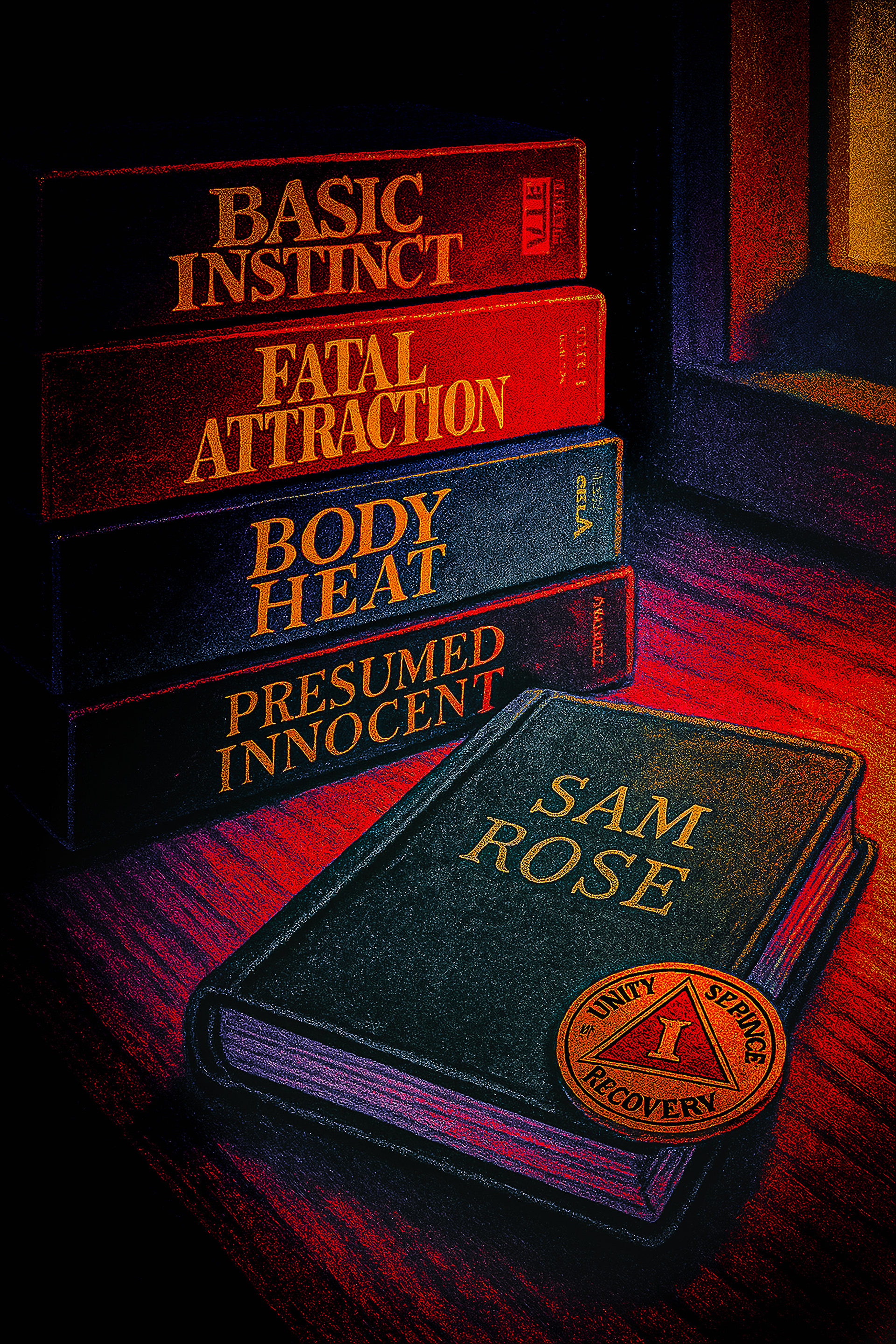
Malibu Noir: Where Therapy Meets Crime
The Velvet Mask is my take on Malibu noir—sunlight, water, and money on the surface; paperwork, NDAs, and “wellness” underneath. It’s a crime story built from things that actually exist here: donor walls, recovery rooms, method coaches, shell foundations, and the way therapy language can be used to move people where you want them.
I wanted a mystery that feels real at the seams. The clues aren’t magic— they’re keycard logs, calendars, invoices, smell-memory, and who had the power to set the scene. It’s about the thin line between care and control, research and ritual, performance and consent—and what happens when someone decides those lines are props.
Sam is a reporter, not a superhero; Ramona is a photographer who knows how people look when they’re lying. Together they walk the part of Hollywood we don’t tour: the rooms where “transformation” is a product and vulnerability is a business model. That tension—sunset gloss against procedural grind—is the pulse of the book
Death in Malibu doesn't look like an ending. It looks like an interior design choice. Somewhere between infinity-pool blue and candlelit mauve, mortality coordinates with the throw pillows. And then there's Amber Lane, face-down in the tub, proof that the universe has a sick sense of humor about staging.
In Malibu, truth rents by the hour.
Should probably be more broken up about this. Three months together five years ago: long enough for her to steal my favorite pen, short enough Hallie never found out. She'd been working nights at Neptune's Dream, that beachfront restaurant where celebrities go to be photographed not eating, climbing steadily toward the kind of TV roles that pay rent without requiring nudity. Three years sober, two years living with Ramona, and now dead in a hotel bathtub surrounded by enough silk scarves and mood lighting to stock a romance novelist's fever dream.
The guilt hits in waves. I should have kept in touch. Should have checked in after she got out of rehab, made sure she was okay, been the kind of friend who notices when someone's in trouble before they end up floating in luxury hotel fixtures. But I was busy with my own recovery—from marriage, from newspaper employment, from the kind of optimism that makes people think journalism changes anything besides a bank account balance.
The Malibu Beach Resort's penthouse suite costs more per night than most people make in a month. We're packed into the suite's living room; the bathroom door's propped open, CSU ghosts moving around the tub. Floor-to-ceiling windows overlook the Pacific, marble bathroom bigger than my kitchen, and a bathtub that could double as a small swimming pool—funnier if you didn't know her history with water. She used to joke that the ocean was beautiful as long as you appreciated it from a safe distance, preferably with a cocktail and a book about people who actually knew how to swim.
The room smells like spa catalog—jasmine and something green underneath.
Detective Martinez stands in the doorway explaining to a crowd of film industry types why this isn't a crime scene. He's got the look of a guy who's already written the report in his head and just needs everyone to agree with the obvious conclusion. Martinez is probably forty-five, built like someone who used to work out and now settles for walking crime scenes. His suit looks expensive enough to suggest he moonlights in security work for people who tip better than the city of Los Angeles.
"Method acting research gone wrong. No signs of foul play. No forced entry, prelims are clean, tox is pending, hotel security confirms she was alone." Martinez sounds tired. "These Hollywood types, they push boundaries for their art. Sometimes they push too far."
Morris Goldstein, the film's producer, nods gravely while somehow managing to look like he's still networking. Goldstein's teeth could guide ships to shore; the rest of him looks like a jewelry counter left too long under a heat lamp. He's wearing a polo shirt that probably costs more than my monthly rent, the kind of casual luxury that suggests he's comfortable enough to dress down for tragedy.
"She was so dedicated," he says, hands gesturing like he's still pitching the project to invisible investors. "Insisted on understanding every psychological aspect of the character. A real artist, you know? She read the original Basic Instinct script seventeen times."
The crowd murmurs agreement with the practiced synchronization of people who've attended too many industry memorial services. There's Jake Hayworth, better known as The Badger from those superhero movies where he fights crime by being aggressively earnest. This Basic Instinct remake is supposed to be his serious acting debut, his chance to prove he can do more than punch computer-generated villains while delivering dialogue about responsibility and justice. There's the director, Kenny Stanfield—a thin guy in expensive jeans with a résumé full of cheap Netflix horrors. Pale, like he'd never seen a dead body before, which was ironic. I jot his name in my notebook anyway, shorthand: "indie auteur, sunlight deficit."
A handful of other industry types cluster nearby, all wearing the same expression of concern mixed with calculations about how this affects the production schedule. They all have the same haircut—even the women—and seem to be the last people on the planet still clinging to BlackBerrys.
"What exactly was she researching?" I ask, pulling out my notebook with the kind of deliberate professionalism that makes people remember they're talking to a journalist.
Martinez glances at me with the resigned expression of someone who recognizes trouble but has to deal with it anyway. "You are?"
"Rose Report. Newsletter covering crime and corruption in LA." I hand him my card, which is nothing fancy but lists my credentials from the LA Times back when newspapers still pretended to matter. "Four thousand subscribers expecting accurate reporting on cases that might be more complicated than they appear."
"This isn't corruption, Mr. Rose. This is Hollywood."
He said it with a straight face.
A few people shift uncomfortably. In this crowd, my newsletter probably has more credibility than I'm comfortable with. Most of them are used to entertainment journalists who trade access for favorable coverage. An actual crime reporter asking actual questions about actual death is a wholly different beast.
"Don't chase grief into motive, Rose," Martinez says with patient authority.
Jake Hayworth shifts from foot to foot with the nervous energy of someone who's spent years having his dialogue written for him and isn't entirely comfortable with improvised conversation. "She was exploring the psychology of sexual power dynamics. For the role."
"In a bathtub?"
"Method acting," Goldstein explains. "The remake of Basic Instinct, but serious this time. Feminist empowerment angle. Amber wanted to understand what drives a woman to use sexuality as psychological warfare."
In this town, empowerment is just exploitation with better lighting. In LA, that's practically a coroner's template—half the women here working out their relationship with power through therapy, yoga, or career strategy.
"By drowning herself in hotel amenities?"
The director clears his throat with academic precision. "She was committed to authentic research. Method acting requires emotional honesty, even when it's uncomfortable."
"Which boundaries, exactly?"
Director: "Authenticity." Goldstein: "Empowerment."
I write in my notebook: Meaning: none. This is the kind of circular conversation that happens when people need to sound like they understand something they're making up as they go along. Candles trimmed neat, wicks cut like someone cared about the photo more than the light.
"She was meeting with specialists," the director continues. "Therapists, people who could help her understand the mindset."
"What kind of specialists?"
"We respected her process," Goldstein says with diplomatic vagueness. "Professional actors need space to explore their craft. Our job was to provide resources, not to supervise every aspect of her research."
Someone whispers "insurance" like it's a prayer.
Martinez checks his watch with the impatience of someone who has actual crimes to investigate in neighborhoods where people can't afford luxury hotel suites for their artistic explorations. "Mr. Rose, unless you have specific questions about the investigation—"
"Actually, I do." I flip to a fresh page in my notebook, pen ready. "Who found the body?"
"Hotel security. Noise complaint turned out to be silence. They used a master key, found her in the tub."
"What time?"
"Three AM. Noise complaint about..." Martinez pauses, consulting his notes. "Hours of noise, then a sudden quiet. That's a timeline, not luck."
"What kind of noise?"
"Music. Talking. Normal party sounds for a hotel suite. Then nothing."
"And nobody thought to check on her earlier?"
"Mr. Rose," Goldstein interrupts, his producer instincts recognizing where this leads, "Amber was an adult professional conducting legitimate research for a serious film role. There was no reason to assume—"
"Sam?"
The voice cuts through the industry speak like someone changing television channels. Ramona Bloom stands in the corridor outside the open door, mascara streaked, leather jacket askew, vibrating like someone whose world just exploded in slow motion. She's twenty-eight, same as Amber was, but where Amber had been all angles and calculated ambition, Ramona is curves and beautiful chaos. She photographs weddings and dogs for rich Malibu types, the kind of artistic ADD that means she's always three projects behind and two ideas ahead of whatever she's supposed to be doing.
"Jesus, Ramona. I'm sorry." The words feel inadequate, but they're what I have.
She pushes past the film people like they're poorly arranged furniture. "They're telling everyone it was research."
"That's what it looks like."
"Bullshit." She says it with conviction. She scans the fixtures like she's already taking pictures in her head. "Complete bullshit."
Martinez steps forward with patient authority. "Miss Bloom—"
"She was terrified of water."
That's the sort of detail cops forget to put in their press briefings, and it's exactly the kind of information that transforms official explanations into questions worth investigating.
"People do extreme things for their art," the director offers with theoretical understanding. "Method acting requires psychological authenticity."
"You didn't know her."
"We worked with her every day," Hayworth says, his superhero earnestness bleeding through. "For two weeks."
"For two weeks. I lived with her for two years. She used to have nightmares about drowning. She'd wake up screaming that she couldn't breathe, that the water was pulling her down, that she could feel herself forgetting how to swim."
The hallway goes quiet with the particular silence that happens when someone says something that makes everyone realize they've been having the wrong conversation. This is the kind of information that transforms accidents into questions, and nobody here wants questions.
Jake's jaw ticks with visible tension; The Badger's earnest mask slips a millimeter to reveal something that might be actual human anxiety.
"She told you about the research?" I ask Ramona, notebook ready.
"Some of it. Said she was meeting with someone who specialized in psychological profiling. Understanding how certain personality types use sexuality as a weapon."
"Who?"
"She wouldn't say. Professional confidentiality, she called it."
Goldstein spreads his hands with theatrical helplessness. "Ramona, I understand you're grieving, but sometimes dedication requires extreme commitment. She was truly professional, really committed to exploring the character's psychology."
"Cut the bullshit, Morris." Ramona's voice carries exhausted anger. "When's the last time you saw an actress research a role by recreating the death scene?"
"It wasn't the death scene," the director protests. "The character doesn't die in the bathtub. She's exploring themes of vulnerability and control—"
"She's fucking dead in a bathtub," Ramona snaps. "That's not themes. That's what actually happened."
Martinez clears his throat with official authority. "Miss Bloom, I understand this is difficult, but the physical evidence supports an accidental death during research activity."
"She was afraid of water. Not nervous, not uncomfortable. Afraid. Phobia-level." Ramona's voice breaks slightly, but she pushes through with determination. "She used to make me sit outside the bathroom when she showered because she was terrified of being alone with running water."
My throat tightens just hearing it. The tub looks like a dare.
I write this down because it's the kind of detail that separates real journalism from press release regurgitation.
"Can we talk outside?" I ask Ramona.
She nods, wiping her nose on her jacket sleeve.
We step into the hall—uniform posted at the threshold—ride the elevator down past the crowd, past Martinez who's already moving on to paperwork, past the hotel security guard who discovered the body and looks like he's never going to sleep again. The elevator plays soft jazz designed to convince you everything's fine. In the lobby: marble, gold, and air that bills by the minute.
Outside, Malibu sunshine hits us with aggressive perfection that makes tragedy seem like someone else's problem. The Pacific stretches blue and endless, dotted with surfers and sailboats and natural beauty that exists specifically to remind you that mortality is temporary but oceanfront property values are eternal. Palm trees sway in the offshore breeze, and somewhere a dog is barking at a seagull with determined optimism.
This is where I live, more or less. Not in a hotel, obviously, but in a beach house about as far from this luxury resort as you can get while still sharing a zip code. My place is three blocks inland, a 1970s rental with wood paneling and windows that don't quite close—"charming" to agents, "cheap" to me. It's the kind of place that makes sense when you're a divorced investigative journalist with a newsletter that pays just enough to keep you in coffee and curiosity.
My phone buzzes. Text from Hallie: Veronica wants to know if you're coming to her soccer game Saturday.
I should call my daughter. Should probably call my ex-wife too, let them know I'm potentially getting involved in something that could get complicated in ways that affect custody schedules. Hallie will not be thrilled—she's spent the last three years since our divorce trying to protect our eleven-year-old from my tendency to chase stories that involve dangerous people with expensive lawyers.
"Tell me about the research," I say to Ramona while composing a mental list of phone calls I need to make.
Ramona lights a cigarette with hands that shake slightly. "Morris wanted her to understand the psychology. You know, what makes a woman use sex as power instead of becoming a victim of it. He kept saying the original movie was exploitative, and this version was going to be empowering."
"So she was meeting with a specialist? A therapist?"
"Some kind of psychological consultant. She wouldn't say who. Just that she was doing research, learning about dominance and submission, the psychological aspects of sexual power dynamics." Ramona takes a long drag and stares out at the ocean.
I write this down in the careful script that my ex-wife used to tease me about. The truth is, writing by hand forces me to think more carefully about what information matters.
"She was excited about it," Ramona continues. "Said it was the most challenging role she'd ever gotten. A chance to do serious work instead of being the pretty girl who gets murdered in the second act."
There's bitter irony in that, which I choose not to point out.
"But you don't think she killed herself researching it."
"I know she didn't." Ramona takes another drag with conviction. "Amber was afraid of water, Sam. Phobia-level afraid. When we first moved in together, I had to help her shower because she'd panic if water got on her face. She used to say drowning was her worst nightmare because you die knowing exactly what's happening to you, and there's nothing you can do to stop it."
This is the kind of detail that transforms accidents into stories worth investigating.
"There's something else," Ramona says, dropping her cigarette and grinding it into the sidewalk hard. "Three months ago, there was another woman who died. Also connected to the film industry. Also in a way that looked like research gone wrong."
Now she has my complete attention.
"What kind of research?"
"I don't know exactly. Some kind of psychological exploration for a role. But it was weird. Staged. Like someone was trying to prove a point rather than actually researching anything."
"You think they're connected?"
"I think someone's killing actresses and making it look like art."
I close my notepad and look at Ramona Bloom, really look at her. She's stopped crying, and there's something in her eyes that looks like determination mixed with rage and the kind of clarity that comes from realizing the authorities aren't going to take your concerns seriously.
"What do you think happened?" I ask.
"I think someone killed her and made it look like method acting research."
"Why?"
"I don't know yet." Ramona pulls out another cigarette but doesn't light it. "But I'm going to find out."
"We," I say, making the kind of commitment that my ex-wife would describe as "typical Sam behavior." "We're going to find out."
She looks at me with something that might be hope mixed with desperation and cautious optimism. "You sure?"
"Amber stole my favorite pen five years ago. Never gave it back."
"That's your reason for investigating a murder?"
"It's a start. Also, she was afraid of water and ended up drowning in a luxury bathtub, which suggests someone either doesn't understand phobias or understands them well enough to use them as weapons."
We walk toward my car—a fifteen-year-old Toyota that looks embarrassingly practical next to the Maseratis and Teslas—and I'm already thinking about phone calls to make and records to check and the kind of careful questions that need to be asked when everyone involved has more money and better lawyers than you do.
Find the 'consultant.' Pull the keycard timeline. Who complained about the noise—and when.
My phone rings as we reach the parking garage. Hallie.
"Hey," I answer, trying to sound like someone who isn't standing next to a potential murder victim's roommate.
"Sam, Veronica wants to know if you're coming to her game Saturday. I told her I'd ask, but I'm not making promises about your availability."
There's the familiar edge in Hallie's voice that suggests she's already prepared for disappointment.
"I'm planning on it," I say, which is true as far as it goes. "Unless something comes up with work."
"What kind of work?"
"A story. About someone I used to know."
"Someone like...?"
"Someone who died under circumstances that don't make sense."
Silence. Hallie knows me well enough to recognize when casual interest has transformed into professional obsession.
"Sam, please tell me you're not getting involved in something dangerous."
"I'm just asking questions. That's what journalists do."
"That's what journalists do until they ask the wrong questions to the wrong people and end up needing lawyers or bodyguards or both."
She's not wrong. "Hallie, I promise I'll be careful. And I promise I'll make Veronica's game Saturday unless the world ends or someone tries to kill me."
"Those aren't the reassuring promises you think they are."
"I know. But they're honest ones."
"Call me tomorrow night. Let me know you're still alive and not in jail."
"Deal."
I hang up and look at Ramona, who's been listening with focused attention.
Eleven-year-olds don't care about 'pending tox.' They care about who's in the bleachers.
"Divorced?" she asks.
"Three years now. Hallie's a good mother, better than I probably deserve. She's just not thrilled when my work involves the kind of people who solve problems through violence instead of conversation."
"And Veronica?"
"Eleven years old, plays soccer, makes friendship bracelets, asks questions that usually turn out to be more insightful than whatever the adults in her life have figured out." I unlock the car and open the passenger door for Ramona. "She'd probably solve this case faster than we will, if I was irresponsible enough to involve her in murder investigations."
Thinking about Amber Lane, who was afraid of water but somehow ended up drowning in a bathtub full of silk scarves and movie props.
Thinking about Veronica, who's spending the weekend with her mom learning to make friendship bracelets while her father chases dead actresses around luxury hotels.
Thinking about the pen in my pocket—not the one Amber stole, because that's gone forever, along with my marriage's ability to survive the kind of work that requires choosing between family dinner and crime scene investigation.
And thinking about the particular way Malibu makes everything look like a movie set, including murder. In most places, death is messy and random. Here, someone arranges it with the same attention to detail they'd use for a dinner party, complete with mood lighting and a color scheme that coordinates with the architecture.
In Malibu, even tragedy has a stylist.
But stylists leave signatures, and signatures can be traced back to their creators. Which means this case might actually be solvable, assuming we can ask the right questions before whoever killed Amber decides that investigative journalists and dog photographers represent an unacceptable risk to their artistic vision.
"So what's our next move?" Ramona asks as I start the car.
"We're going to do what I do best," I tell her, backing out of the parking space and heading toward the exit where afternoon sunlight is turning everything golden and cinematic. "Ask questions that make people uncomfortable and see who gets nervous enough to give us answers they didn't mean to give."
"And what I do best?"
"Take pictures of rich people's dogs and listen to whatever they tell you about their neighbors, their business associates, and their opinions about young actresses who get too ambitious for their own good."
She laughs, and it's the first genuinely happy sound I've heard from her since we met. "This is either going to be the stupidest thing we've ever done, or the most important."
"In my experience," I tell her as we drive back toward Malibu proper, where the sun is starting to set and paint everything in that golden California light that makes even strip malls look cinematic, "the best stories usually end up being both."
The elevator down to the parking garage gives us two minutes of awkward silence punctuated by Ramona's sniffling and the hum of harsh overheads. She's wiping her nose on her leather jacket sleeve without noticing.
"You really think she was murdered," I say as the doors open onto concrete and fluorescent lighting that makes everything look like a crime scene waiting to happen.
"Fluorescents make everything look guilty," Ramona says. "And yeah—I know she was."
What gets me isn't the drama; it's the waste. Hours of work, months of sobriety, and then a bathtub pretending to be art.
I deal in evidence. Ramona deals in certainty—the lens-born kind you get from watching people closely. Usually that drives me crazy, but the way she said it makes me want to believe her.
My fifteen-year-old Corolla looks embarrassed among the Germans. Ramona climbs in and immediately starts adjusting things—the mirrors, the radio, the air vents—fidgeting it out. The fidgeting is a metronome for her brain—it keeps time while she scans for angles. Cold air hits her face and she shivers slightly, pulling her leather jacket tighter around herself.
“Perfect cover,” she says. “Nobody suspects journalists in a Corolla.”
She clicks the belt home, all muscle memory from riding with people in shock. “Where are we going?”
Good question.
In my experience, investigations start with asking the right people the wrong questions until someone gets nervous enough to tell you something useful. But this isn't exactly my usual beat. My readers expect city hall grift, not dead actresses in silk.
"Tell me about the Basic Instinct thing," I say, pulling out of the garage into Malibu sunshine where the marine layer is peeling off the Pacific Coast Highway like cheap frosting. "When did she get the role?"
“Three weeks ago. She was so excited she couldn’t sleep for two days. Kept pacing around the apartment at three in the morning, talking about how this was finally her chance to do something serious, something that mattered.” Ramona lights a cigarette without asking if it’s okay, which would normally bother me but fits the moment like it’s muscle memory.
“She was still working nights at Neptune’s Dream,” I say, remembering her shifts there back when we dated five years ago. Same job, same late hours, like the industry hadn’t given her anywhere else to go despite all the years of work.
Ramona nods. “Yeah. Between that and the rent, she never really stopped hustling. She’d done cheap TV spots, low-budget horror films, paid out thousands for acting coaches who promised breakthroughs that never came. This role was supposed to be different.”
“Different how?”
“Like… not humiliating.”
“Who offered her the role?”
“Morris Goldstein.”
I know Morris. Written about him too, though nothing that ever stuck hard enough to affect his ability to get financing or distribution deals. He had the survival instincts of a cockroach in cashmere—always showing up, always smiling, always funded.
"What made this version different from the original?"
Ramona takes a long drag and stares out the window at the Pacific Coast Highway scenery—surfers paddling out through morning swells, palm trees swaying in offshore breezes, and casual wealth on display that makes Malibu look like a movie set designed to represent the American dream as interpreted by people who've already achieved it. "She said Morris wanted to flip the script. Instead of Sharon Stone being the manipulative femme fatale who uses sexuality to destroy men, this version was about reclaiming female sexuality as empowerment instead of exploitation. The woman uses her intelligence and sexuality to expose corruption, not just seduce and destroy men for kicks."
I suppress a laugh, which probably isn't the appropriate response to a dead woman's career aspirations, but I can't help it. A feminist empowerment remake of Basic Instinct—because nothing says liberation like repackaging male fantasy as woke cinema.
L.A. can laminate anything—grief, desire, power—and sell it as a moral. The plastic never hides the seams.
But Morris isn't stupid, and Amber was talented enough to pull off something more complex than the original. Maybe they really were trying to do something different, something that justified the remake beyond pure profit motive.
"Did she mention who else was cast?"
"Jake Hayworth was the male lead. You know, The Badger from those superhero movies? This was supposed to be his serious acting debut." She flicks ash out the window, watching it get caught in the wind and disappear into the passing landscape of expensive cars and even more expensive real estate. "There was also some director whose name I can't remember, one of those directors who dim the lights and call it depth."
Jake Hayworth. I've never met him, but I know the type—the superhero-to-serious pivot is Hollywood adolescence, awkward and usually unconvincing.
"He practiced brooding the way I practice focus," Ramona says, rolling her eyes.
We're driving through the part of Malibu where the houses hide behind gates and hedges and the kind of architectural privacy that suggests the residents have enough money to avoid having to look at their neighbors unless they specifically choose to. Some go for Mediterranean villa aesthetics, others prefer modern glass boxes. All of them cost more than most people will make in their entire lives.
"How do we work together—journalist and photographer?"
Ramona turns to look at me with something that might be amusement mixed with curiosity. "You want systematic evidence that builds a logical case. I want to understand the emotional truth that explains why someone would kill her."
"That's... actually a pretty accurate summary."
"You chase paper. I catch faces."
"And we meet in the middle before somebody lawyers up."
That's actually pretty insightful. And it explains why Ramona was so certain Amber was murdered before we had any evidence to support that conclusion. She wasn't working from facts; she was working from intuition about human behavior and emotional authenticity.
"Where did you and Amber meet?" I ask, making a mental note to pay more attention to Ramona's observational skills rather than dismissing them as artistic intuition.
"Rehab." She says it like the forecast. "Pills/coke."
"Great meet-cute."
"Two years ago. Different problems—she was pills, I was mostly coke with some weekend experimentation that got out of hand. But we ended up in group therapy together, and she was the only person there who didn't treat recovery like a chance to make connections with other people in the industry."
There it is. The detail that transforms everything from tabloid tragedy to actual human loss. Amber wasn't just another actress who died doing research for a role. She was someone who'd fought her way back from addiction, built a life with someone she trusted, and was finally getting the chance to do work that mattered to her. The kind of person who deserved better than ending up face-down in a luxury bathtub surrounded by method acting props.
"The recovery community thing—that's important, isn't it?" I ask, trying to understand how addiction recovery creates the kind of bonds that would make someone like Ramona so certain about murder when the police are calling it an accident.
"Recovery trains your bullshit detector. Amber wasn't performing sobriety. She was boring on purpose."
Real recovery is chores and check-ins. Performance looks better on camera and kills faster.
"How long had you been roommates?"
"Since we got out. Eighteen months, give or take. We found this place in Malibu that's not technically beachfront but close enough that you can hear the waves when the traffic dies down after midnight. Split rent, separate lives, but we kept each other honest. Made sure neither of us was slipping back into old patterns without someone noticing and calling bullshit."
That explains the certainty. Ramona isn't just Amber's roommate; she's her recovery partner, the person responsible for noticing if addiction-related behavior was starting to resurface. Someone who would have noticed if Amber was struggling with the psychological stress of method acting research badly enough to take dangerous risks.
"Did she seem worried about anything lately? Nervous about anyone?"
"That's the thing." Ramona turns to face me, cigarette forgotten between her fingers while she tries to articulate something that's clearly been bothering her since Amber died. "She was scared about the role, but not in a bad way. More like excited scared. Like she knew it was going to change everything and she couldn't decide if she was ready for that kind of professional transformation."
We're stopped at a light next to a yoga studio selling enlightenment by the class.
"What about the research she was doing?"
"She said she was meeting with someone who specialized in psychological profiling. Understanding how certain types of people use sexuality as a weapon or a tool for manipulation. Morris booked her the penthouse under a foundation name I didn't recognize—method requires the right environment, he said."
I make a mental note: shell companies and psychological consultants. That's a paper trail worth following.
"She mentioned a bracelet. Leather with a small silver medallion—hand-tooled, not Etsy. Therapist chic," Ramona adds.
The light changes, and I turn toward the coast, following the Pacific Coast Highway north through the part of Malibu where the ocean views cost extra and the architecture is designed to frame natural beauty like an expensive piece of art. There's something about the ocean that makes thinking easier, maybe because it's the one part of Malibu that can't be developed or branded or turned into someone's vision of what nature should look like for maximum property value appreciation.
"Did she say who this specialist was?"
"No. Professional confidentiality, she called it. But she'd been meeting with them for about a week, and she was getting more confident about the character. Said she was starting to understand how intelligent women could use the fact that men underestimate them as a strategic advantage rather than just accepting it as an obstacle." Ramona pauses. "She'd come back smelling like one of those wellness stores—jasmine, maybe sage. Said it helped her 'drop in.'"
That's a fair point. I've spent enough time in Los Angeles to know that underestimation is practically a renewable resource here. Everyone's so busy managing their own image and calculating their position relative to everyone else that they often miss what's actually happening around them, especially when it's happening through channels they don't consider threatening.
We park at a beach access point where the Pacific spreads out like a promise of escape from whatever problems you brought with you from inland. There are surfers catching waves with the kind of casual expertise that makes it look easier than it is, and a few people walking dogs who probably cost more than my car. The whole scene has that particular Malibu quality—beautiful enough to be therapeutic, expensive enough to be exclusive, perfect enough to make you wonder if it's actually real or just an elaborate performance designed to justify the cost of living here.
"Tell me about last night," I say, pulling out my notebook and trying to organize my thoughts into the kind of systematic timeline that makes sense for journalism rather than the emotional impressions that Ramona deals with through photography. "What happened after she left for the hotel?"
Ramona gets out and walks toward the water, not waiting for me to follow. I lock the car and catch up, notebook ready.
"She left around eight," Ramona says, stopping where the sand meets the water in that perfect Malibu intersection of natural beauty and beachfront access. "Said she had a research session scheduled, something about exploring the character's relationship with vulnerability and control. I asked if she wanted company, but she said it was important to do it alone, that the psychological work required privacy."
A wave crashes closer to us than expected, and she steps back automatically.
"Nope. Me and water? Negotiating," Ramona says, watching the wave.
"Did she say where she was meeting this person?"
"The hotel.” She lights another cigarette, hands shaking slightly with what might be grief or anger or both.
"She was excited about it. Kept talking about how this was her chance to understand what it felt like to have that kind of control over other people's perceptions and responses."
"Security logged hours of noise then silence," I say, remembering Martinez's timeline. "Amber wasn't a host. So whose soundtrack was it?"
"She didn't play music loud. If there was noise, someone brought it."
"What did you do after she left?"
"Worked on some photographs I'm supposed to deliver to this woman who breeds dogs for rich people. You know, the kind of portraits where the dogs look more dignified than their owners and probably have better health insurance." She takes a shaky drag and stares out at the horizon like she's trying to find answers in the intersection of sky and water. "I was up until around midnight editing, trying to make golden retrievers look like they have more emotional depth than most Hollywood actors. Then went to bed."
"When did you find out what happened?"
"They said 'accident' before hello," Ramona says, bitterly.
That's the part that always feels cruelest—the way an incident report can pre-write a life.
Someone definitely set this up, especially given what we know about the victim's water phobia. And if Amber really had been doing legitimate research with a professional consultant, the scene would have looked clinical and therapeutic, not theatrical and cinematic.
I pull out my notebook and start making the kind of systematic notes that transform random information into organized investigation material.
"Tell me about the water thing again. Be as specific as possible."
"She couldn't handle it. Showers were okay if I was in the apartment, but baths were absolutely out. Said drowning was her worst nightmare because it was the one way to die where you know exactly what's happening to you and there's nothing you can do to stop it." Ramona's voice catches slightly, but she pushes through with determination. "She'd count out loud under the shower—thirty seconds, breathe, thirty seconds—until she felt safe. She'd drape a towel over her face like a visor. No splash on the eyes. She'd flinch when water hit her eyelashes, like a contact lens gone wrong."
I write this down because it's the kind of detail that separates real journalism from press release regurgitation.
"Did the police ask you about that?"
"I tried to tell them, but Martinez has clearance rates to protect. He likes cases that rehearse themselves."
“Morris kept talking about how dedicated she was, how much she cared about getting the psychology right. It sounded rehearsed, like he’d already pitched the same line to investors. Jake looked genuinely upset, but also kind of relieved in a way that made me wonder if he’d been looking for an exit. Most of the others didn’t stick around long enough to say anything—half the crew scattered before questions could start, and the ones who stayed kept muttering about NDAs. Morris ran the room like he already owned the narrative.”
"Jake was relieved? How?"
"Relief reads two ways: guilt for what you did, or gratitude for what you won't have to do."
That's an interesting observation, and it made me want to talk to Jake Hayworth directly.
We walk back toward the car, and I'm thinking about how to structure an investigation that doesn't technically exist in any official capacity. I don't have editor approval, police cooperation, or any official reason to be asking questions about what appears to be a tragic accident. What I have is a dead woman I used to care about, a grieving roommate who's convinced it was murder, and enough curiosity to get myself into trouble that might eventually make good stories if I'm careful about how I pursue the information.
I want elevator cams, key-card swipes, room phone logs, Lyft/Uber hits, minibar audit, thermostats, water temp, time-of-death window. Anything that says "alone" or doesn't.
"Where do you work?" I ask Ramona as we get back in the car, thinking about access and information sources that might be relevant to understanding the film industry dynamics involved in Amber's death.
"Malibu Mutts—luxury boarding. I shoot their marketing. People confess to whoever holds the treat bag."
Perfect. Rich people tell their secrets to the people who take care of their animals, especially when those people are artistic types who look harmless and discreet. If there's gossip about the film industry, Amber's death, or Morris Goldstein's business practices, Ramona probably has access to it without realizing what she knows or how valuable that information might be for understanding the context around Amber's death.
"Would you be willing to ask around? See if any of your clients know anything about the film or the people involved?"
"Already planning on it." She grins for the first time since I met her, and it transforms her face from grief-stricken to mischievous in a way that suggests she's looking forward to turning her access to wealthy pet owners into investigative opportunities. "People tell the dog photographer what they'd never tell a publicist."
That's when I realize we're actually going to do this. Not just talk about investigating Amber's death, but conduct an actual case using whatever resources and access we can cobble together from our different professional backgrounds and personal connections. It's probably a terrible idea that will lead to nothing but trouble with people who have more money and better lawyers than we do, but it's also a story that reminds me why I became a journalist in the first place—to ask questions that other people don't want asked and find answers that other people don't want found.
"One more question," I say as we drive back toward civilization, following the Pacific Coast Highway south through afternoon traffic that moves with the kind of expensive leisure that suggests most of these people don't have to worry about getting home in time for anything as mundane as family dinner or homework supervision. "You said Amber was afraid of water. But she was found in a bathtub. Even if she was doing research, even if she was trying to overcome her phobia for the role, wouldn't that be something she'd want you there for? Moral support?"
Ramona goes quiet for a long moment, staring out at the ocean as we wind along the coast highway through scenery that costs millions of dollars just to look at and probably costs even more to actually live in. Then she says, "She would have asked me to come with her. Or at least called me after to talk about how it went. She never would have tried to face that fear alone, not for a movie role, not for anything. No texts after 8:17. Read receipts, then nothing."
There it is. The detail that makes everything else make sense in ways that contradict the official explanation. Amber Lane wasn't found dead doing research for a role. She was found dead because someone wanted it to look like research for a role, someone who understood her psychology well enough to use her phobia as a weapon. Which means we're not investigating an accident or even a suicide. We're investigating a murder that was staged to look like method acting gone wrong.
“So what’s our next move?” Ramona asks, grief giving way to something sharper.
“Simple,” I say. “I dig through the paper—police reports, records, the stuff that pretends to be objective. You work the people—clients, whispers, the offhand remarks that never make it into official statements.”
I tap my notebook. “Paper and people. I’ll pull the files; you tug the thread. Let’s see which one unravels first.”
"Tag-team the liar?"
She nods, stubbing out her cigarette. "This is either going to solve everything, or get us both in serious trouble."
"Maybe both," I tell her as we drive back toward Malibu proper, where the sun is starting to set and paint everything in that golden California light that makes even strip malls and traffic jams look cinematic. "But at least we'll know we tried to find the truth."
We drive in comfortable silence for a while, both of us processing what we've committed to and what it might cost us. Amber Lane was afraid of water but ended up drowning in a bathtub full of silk scarves and movie props. Someone wanted that to happen, and they wanted it to look like art rather than murder.
But artists leave fingerprints. We just have to lift them before the narrative sets.
It isn't a masterpiece. It's shoplifting with a better set designer.
"Then let's smudge their masterpiece," Ramona says.