

Burn the Heretic: Witch Hunts (1692–2026)
Burn the Heretic is a long-range history of witch hunts, moral panics and accusation as a form of social control, tracing the pattern from Salem in 1692 to McCarthyism, the daycare cases and the post-Weinstein order. The book argues that these episodes are not isolated eruptions of madness but repeatable structures: claims that cannot really be disproved, punishment that outruns evidence, and institutions that keep the powers built during the panic long after the panic itself fades.
Burn the Heretic traces witch hunts and moral panics from Salem in 1692 to McCarthyism, the daycare cases and the post-Weinstein era. It argues that these episodes are not isolated eruptions but recurring structures of accusation, where punishment outruns evidence and the powers built during the panic remain in place afterward.
Drawing on court records, archives, declassified files, financial disclosures and investigative reporting, the book follows how blacklists, registries, surveillance powers and compliance systems accumulate across centuries. Its central claim is that capitalism made the hunt scalable and permanent, turning moral emergency into a reusable system of discipline and control.
2025
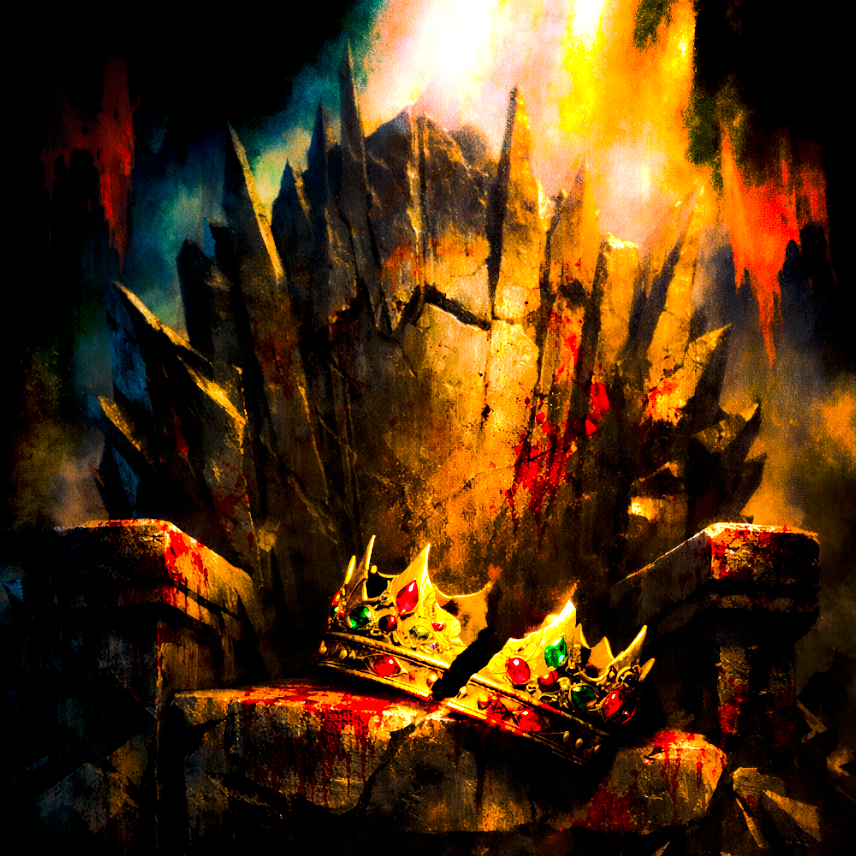
Spellbound and Broken Crowns: Fantasy (1850s–2026)
Fantasy promised us other worlds. What it mostly delivered was better kings and magic heroes to save us. SPELLBOUND AND BROKEN CROWNS: How Fantasy Taught Us to Love Our Rulers (1850s–2026) tracks how a genre built on longing for change became capitalism’s enchantment department—from Bellamy and Morris through Tolkien, Ballantine/Del Rey paperbacks and epic doorstoppers, to Jackson’s Lord of the Rings, HBO’s Game of Thrones and Amazon’s Tolkien machine. The spine is simple: fantasy teaches us to love hierarchy, trust that “the right people” rule, and treat restoration—not transformation—as the natural ending.
It’s a structural history of who owns the enchantment industry, who works in it, and who’s pushed out: publishers and studios industrialising the rightful-king template, challenges like Ursula Le Guin sidelined, Amazon’s KDP and Kindle Unlimited training authors to feed the algorithm, and WGA/SAG-AFTRA strikes that briefly jam the IP machine before it restarts on an AI layer. Narrative-led and heavily sourced, the book uses contracts, industry records and a dense footnote spine to show how cosy Shires, broken crowns and streaming finales quietly train us to accept the same structures in the real world.
2025

SELLING TOMORROW: Sci-Fi (1926–2026)
Science fiction promised us the future; what it mostly delivered was training. Selling Tomorrow follows the money from Hugo Gernsback’s crumbling pulp magazines to Netflix and Disney+, showing how a field built by underpaid hacks became a billion-dollar IP farm—and how its “radical” futures quietly teach people that nothing fundamental can change. From Campbell’s “competent men” and cyberpunk’s branded dystopias to Star Wars merchandising and algorithmic streaming, it tracks how worlds became assets, characters became trademarks, and writers became disposable.
This is a structural history of a dream department: who owns it, who works for it, who gets erased, and what its stories train audiences to accept. The book ties science fiction’s imagery to the real tech sector, the 2023 Hollywood strikes, and the refusal of workers to keep playing along, asking why a genre obsessed with “what if?” almost never shows organised people winning.
2025

Outrun My Gun: Mass Shootings (1830s-2026)
Outrun My Gun: Mass Shootings, Militarism and the Making of an American Nightmare (1830s–2026) is a 190-year history of how the United States built a gun regime it can’t disarm. It runs from Colt revolvers, slave patrols and Pinkertons on the picket lines through Blair Mountain and the World Wars into the NRA’s hard turn and the AR-15 boom. From Columbine and Sandy Hook to Buffalo and Uvalde, the book tracks a single pattern: each atrocity feeds a loop where gun sales spike, school-security and policing contracts grow, media ratings jump and politicians cash in, while the root causes — deindustrialisation, racial terror, imperial war and the destruction of collective institutions — stay in place. Drawing on hundreds of sources, Outrun My Gun treats mass shootings, “ordinary” gun deaths and America’s permanent war footing as one system, and asks a blunt question: who profits from a society prepared to live with children being shot at school?
2025

Illicit Nation: Drugs (1850s–2026)
Illicit Nation is a 170-year history of America’s dual drug economy: the legal pharmaceutical grid and the “illicit” market it supposedly fights. It starts with morphine syrups and heroin cough drops, moves through the Harrison Act, Prohibition and Anslinger, then follows the line into Vietnam amphetamines, MK-Ultra, Nixon’s War on Drugs and the crack era. From OxyContin, pill mills and HSBC cartel laundering to fentanyl, grey markets and psychedelic IPOs, it shows the same mechanism running underneath: the boundary between legal and illegal is drawn to serve profit, not public health. The book treats heroin, cocaine, cannabis and Adderall as one system, not different “drug problems,” and tracks how race and class decide who becomes a patient, who becomes a criminal and who gets rich. The result is less policy debate than indictment: the drug war isn’t failing, it’s working.
2025
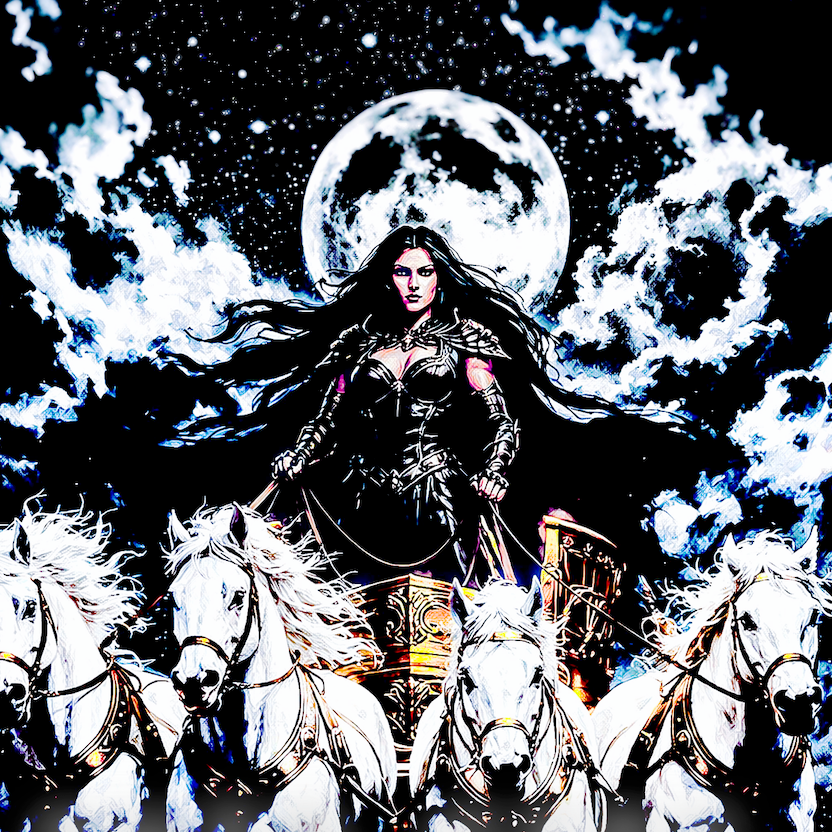
This City Belongs to Nyx Now: Noir (1920s-2026)
This City Belongs to Nyx Now is a 100-year history of noir as a training program in fatalism, not just a stylish “dark” genre. It starts with pulp magazines, Prohibition rackets and Depression losers, moves through blacklist Hollywood and conspiracy-era cinema, and lands in a world of true-crime podcasts, prestige TV and algorithmic feeds. From the Black Dahlia and Watergate to George Floyd, COVID and Epstein, it follows how noir turns real corruption and crisis into stories about doomed individuals instead of systems that can be fought. Across American, European, Latin American and East Asian films, the same pattern holds: exposure without change, critique turned into content, and resignation sold as sophistication.
2025
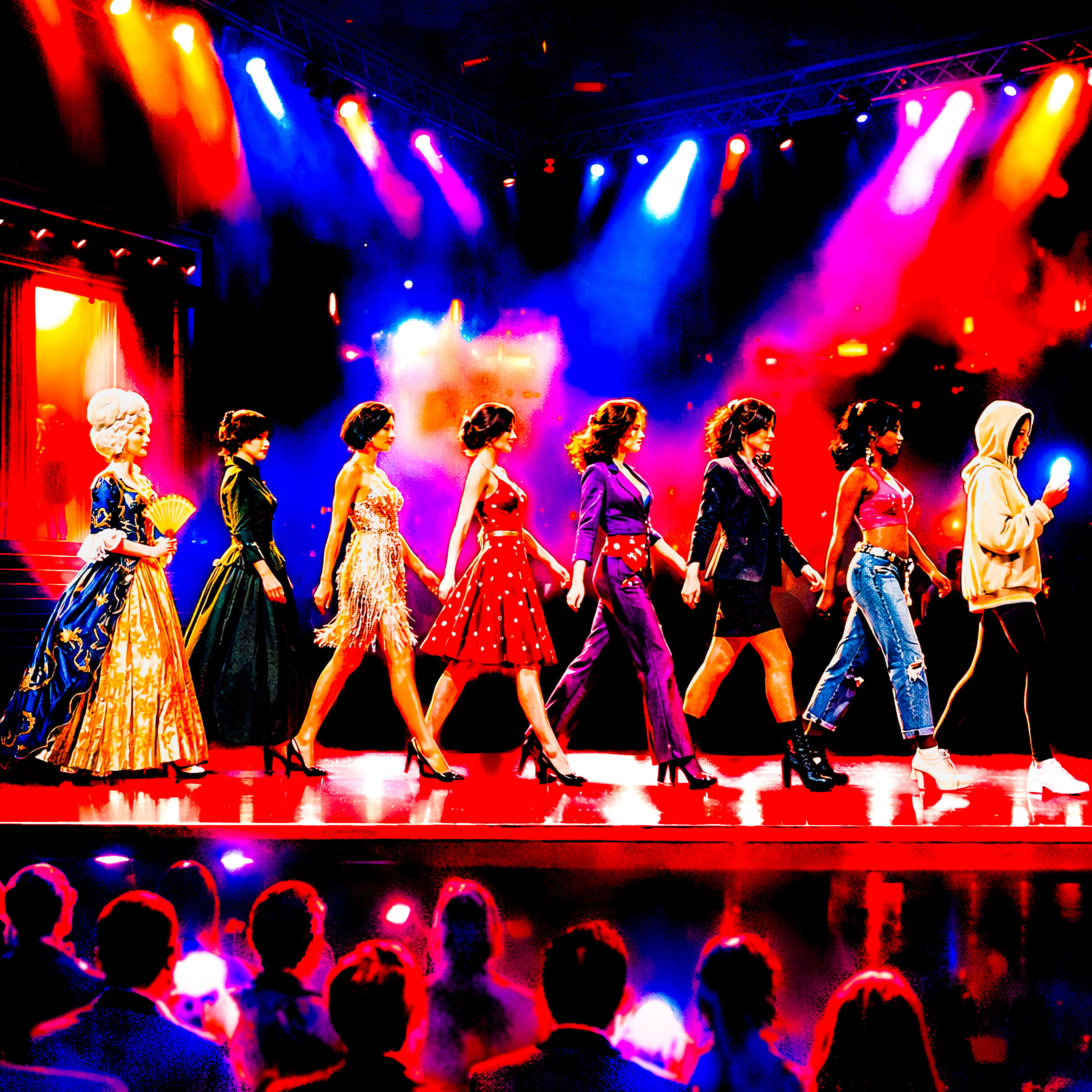
Rags, Racks and Runways (1700-2025)
Rags, Racks and Runways is a 700-year history of fashion as a control system, not a “fun” accessory. It starts with medieval guilds and sumptuary laws deciding who was allowed to weave, sell and even wear certain cloth, runs through mills and sweatshops, department stores and glossy magazines, and lands in a world of logos, ultra-fast fashion and Shein-speed algorithms. From slave-grown cotton and locked factory doors to audit theatre, influencer hauls and clothing mountains in the Atacama, you see the same circuit: control points shifting from wardens to brands to platforms, money flowing upward, and the real bill for insecurity, waste and broken bodies dumped on workers, consumers and the planet.
2025
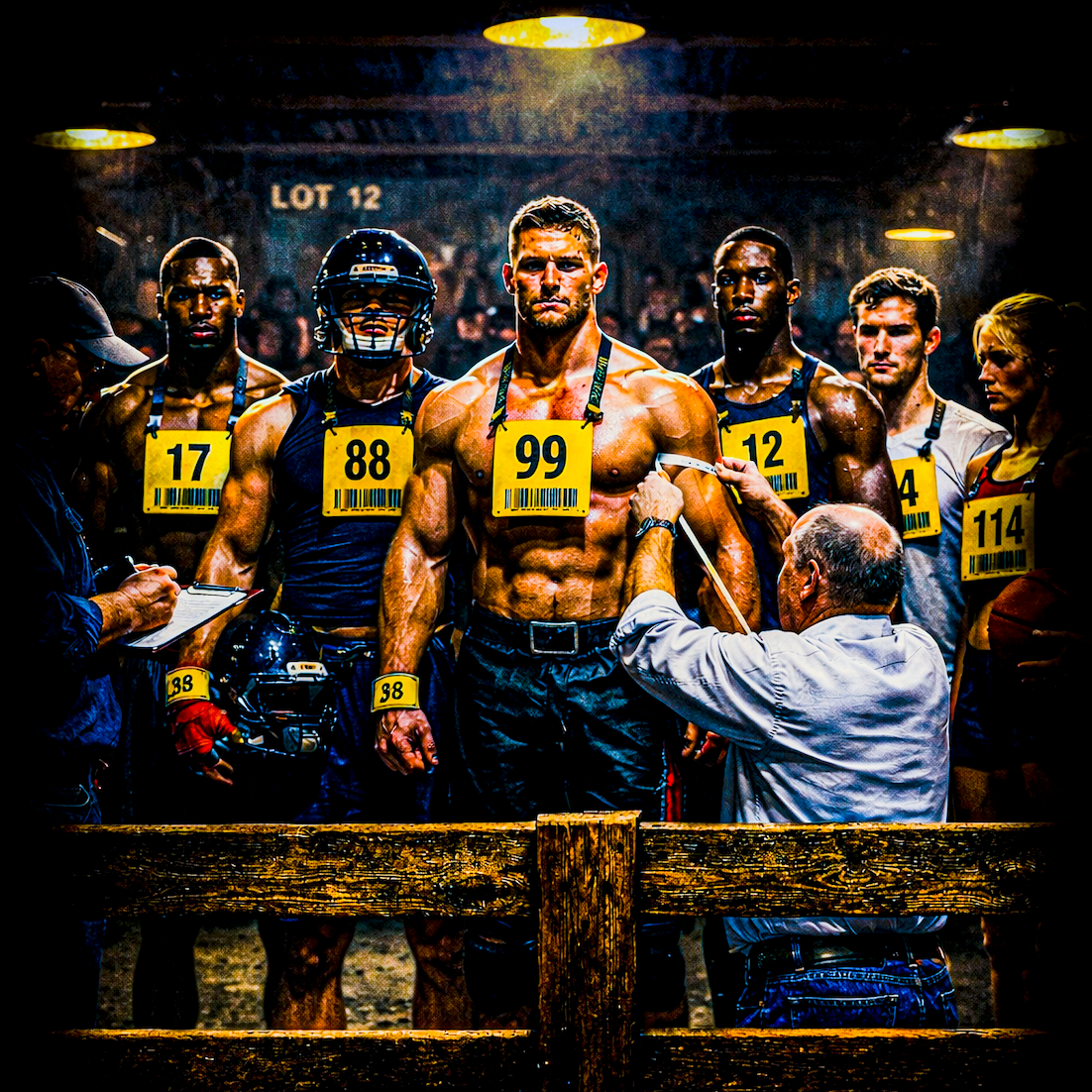
Brain Shook, Money Took: Sports Cartels (1870–2026)
Brain Shook, Money Took is a 150-year history of sport as organised damage. It starts with 19th-century baseball owners inventing the reserve clause and territorial rights, and follows the same extraction logic through radio, TV, ESPN, the stadium boom, and today’s GPS-tracked bodies feeding betting apps. From MLB, NFL, NBA and the NCAA to UFC and WWE, you see the same pyramid: cartel structures on top, disposable workers at the bottom, with free agency, “amateurism,” stadium subsidies, Moneyball, CTE and the gambling turn all working to keep money flowing upward while the real bill for broken brains and wrecked joints lands on athletes, their families and the public.
2025
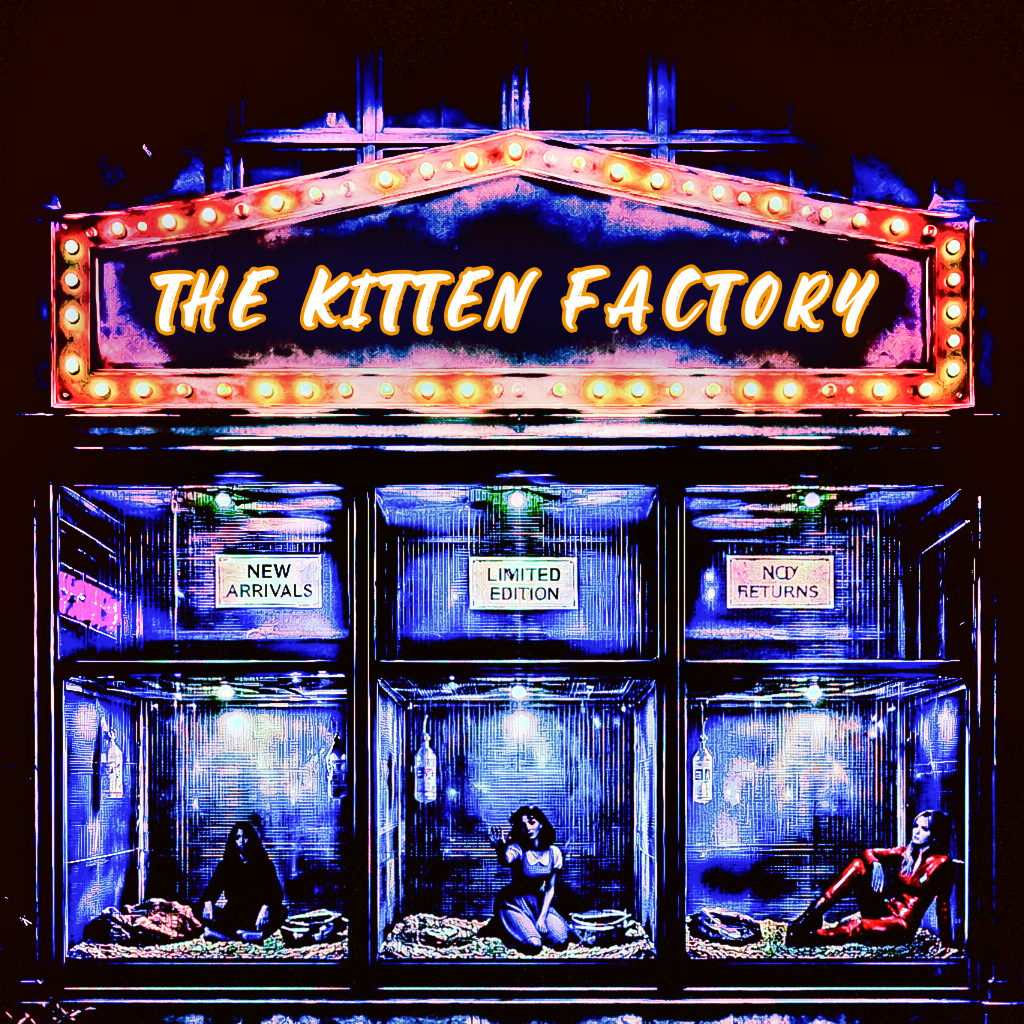
The Kitten Factory (1985-2025)
The Kitten Factory is a ruthless history of how girls get turned into product—from Judy Garland’s MGM pill regimen to Britney Spears’ conservatorship, from MTV and mall tours to Disney/Nick pipelines, YouTube families, TikTok “kidfluencers,” and OnlyFans. “Kitten” isn’t a cute nickname here: it’s a job description in a system that sells a young woman as both innocent and sexually available, then blames her when the contradiction breaks her. Moving through figures like Garland, Britney, Christina, Miley, Selena, Kesha, Lindsay Lohan and Jennette McCurdy (with many more cases mapped in depth), the book tracks the contracts, handlers, PR, pharmaceuticals, tabloid and platform economies that make breakdown profitable and recovery marketable. It’s written in plain language but built on hard sources—studio and trade history, memoirs, court filings, investigative reporting—with every major claim anchored in endnotes.
2025
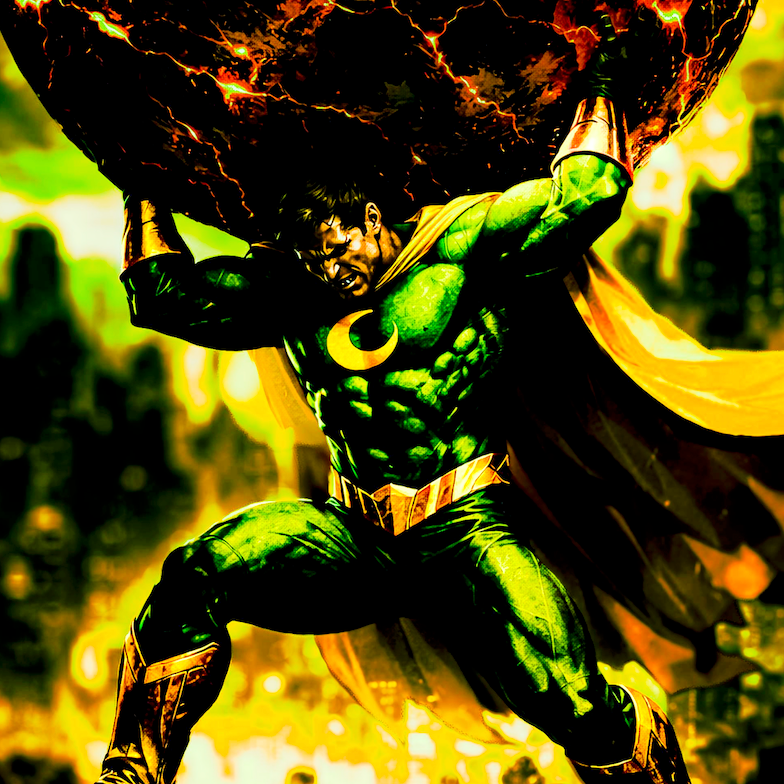
I Need a Hero (1900–2025)
This traces 125 years of how film, comics and streaming turned “one exceptional individual” into our default way of imagining justice and rescue. It runs from Douglas Fairbanks’ on-screen risk to the Pentagon-blockbuster pipeline, franchise infrastructure, and the platform era where heroes become content calendars and invisible labour. The book treats the hero as a system that sells catharsis while training audiences to wait for rescue instead of demanding structural change. It’s rigorously researched and fully referenced, built from trade reporting, box-office and ratings battles, government partnerships, biographies, interviews and close readings.
2025
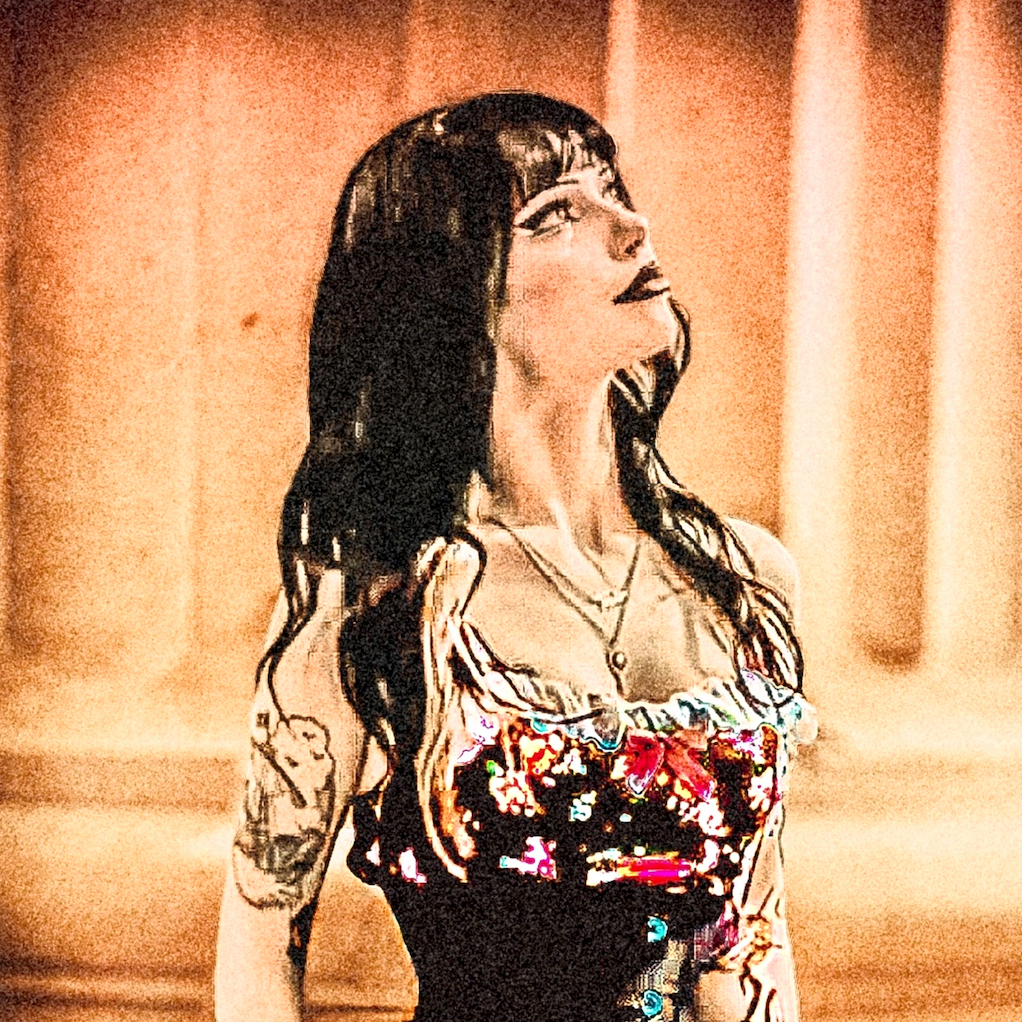
Love Me Love Me: The Romance Racket (1850-2025)
Love Me Love Me: The Romance Racket and the Drug of Desire (1850–2025) is a full-length, fully sourced history of mass-market romance that treats it as infrastructure, not escapism. From Victorian governess novels and Mudie’s lending library through Mills & Boon and Harlequin, bodice rippers, Christian lines, KU grind-cycles and BookTok, it tracks how capitalism turns damage from work, debt, unpaid care, war and policing into private “hurt” that can be soothed by the fantasy of one perfect relationship. Built from publishing archives, contract terms, feminist and Marxist histories of women’s labour, and contemporary data on Kindle and author pay, it moves through the books themselves—Jane Eyre to billionaire Presents to KU-era trauma romance—asking whose desire is being managed, and for whose benefit.
2025

Filthy, Dirty, No-Good Rotten SEX (1870-2025)
Filthy, Dirty, No-Good Rotten SEX traces how sex has been organised, priced, and policed from red-light districts and purity leagues to tube sites, dating apps and creators selling intimacy by the month. It follows brothels, clinics, police raids, censorship boards, moral panics and platform bans to show how “ desire” becomes a way to sort people by class, race and gender—and how every new freedom is quietly rebuilt as a business model.
2025

They Only Come Out At Night: Horror (1764-2025)
They Only Come Out at Night: The Hidden History of Horror (1764–2025) is a history of horror as a working system for managing fear, not just a parade of monsters and jump scares. From Gothic novels and Universal’s factory monsters through slashers, “video nasties,” elevated horror and streaming-era originals, it asks who builds the creatures, under what labour and censorship regimes, and what work those nightmares do for the society that pays for them. Drawing on hundreds of films plus studio histories, criticism, censorship files and industry data, it shows how horror keeps turning real terrors—class, race, empire, unpaid care, platform dependency—into single bodies we can safely destroy while the underlying system stays intact.
2025
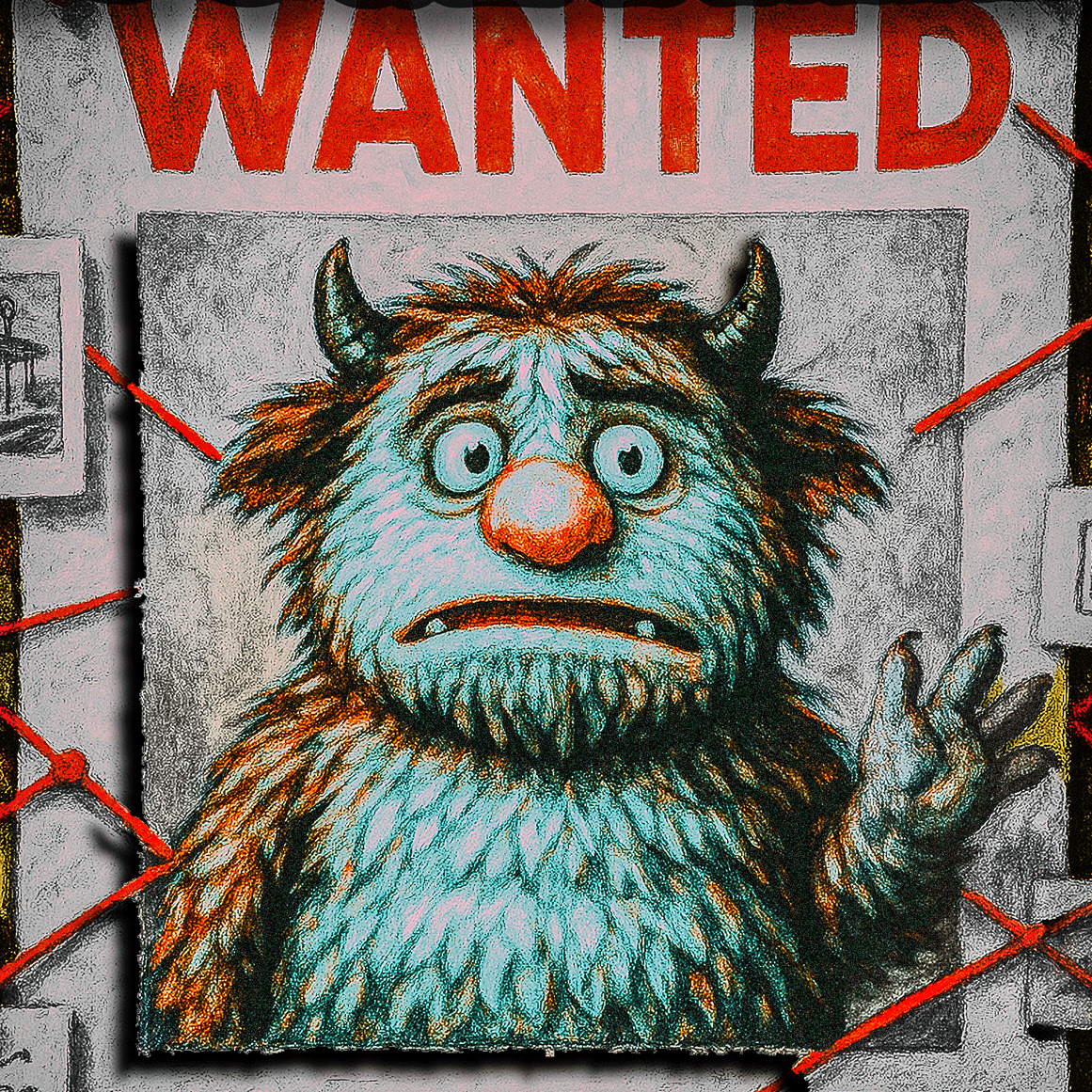
Blaming the Boogeyman: True Crime (1888-2025)
From Jack the Ripper headlines to Netflix docuseries and Ring cameras, Blaming the Boogeyman: The Business of Fear – True Crime and the Architecture of Control (1888–2025) charts 135 years of crime storytelling, showing how true crime has been used to organise fear, stabilise authority and help build today’s surveillance-driven media system.
2025
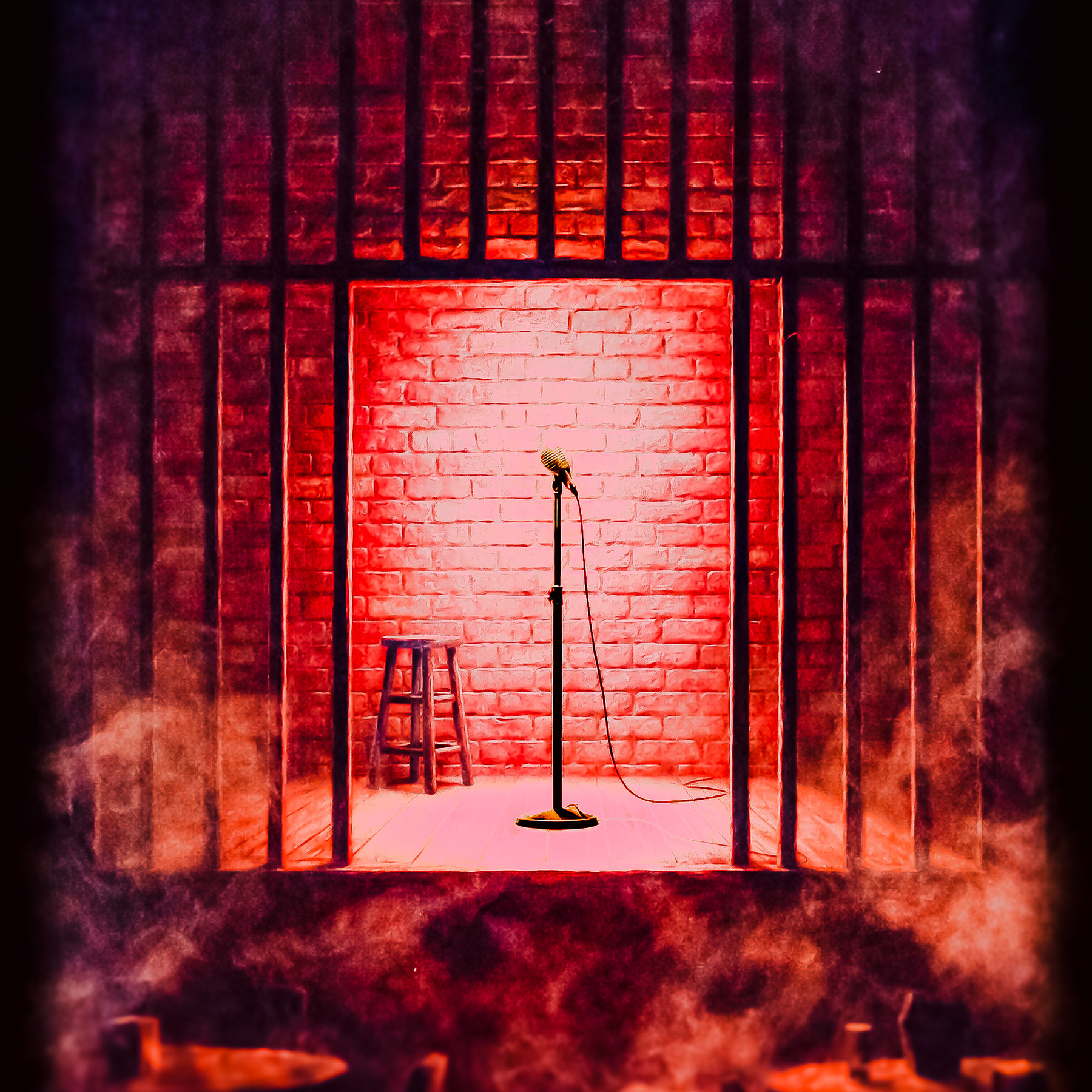
Killing Jokes : Comedy (1850-2025)
Killing Jokes: From Vaudeville to Stand-Up and Why the Joke’s on Us (1850–2025) is a history of comedy as infrastructure for managing anger, not a feel-good tale about “free speech.” Moving from minstrelsy and vaudeville through studios, TV, cable and platforms, it asks who owns the room, writes the contracts and controls the switch. Drawing on hundreds of historical, legal and industry sources, it shows how “edgy” comedy is captured and recycled, and what it would take to break that grip.
2025
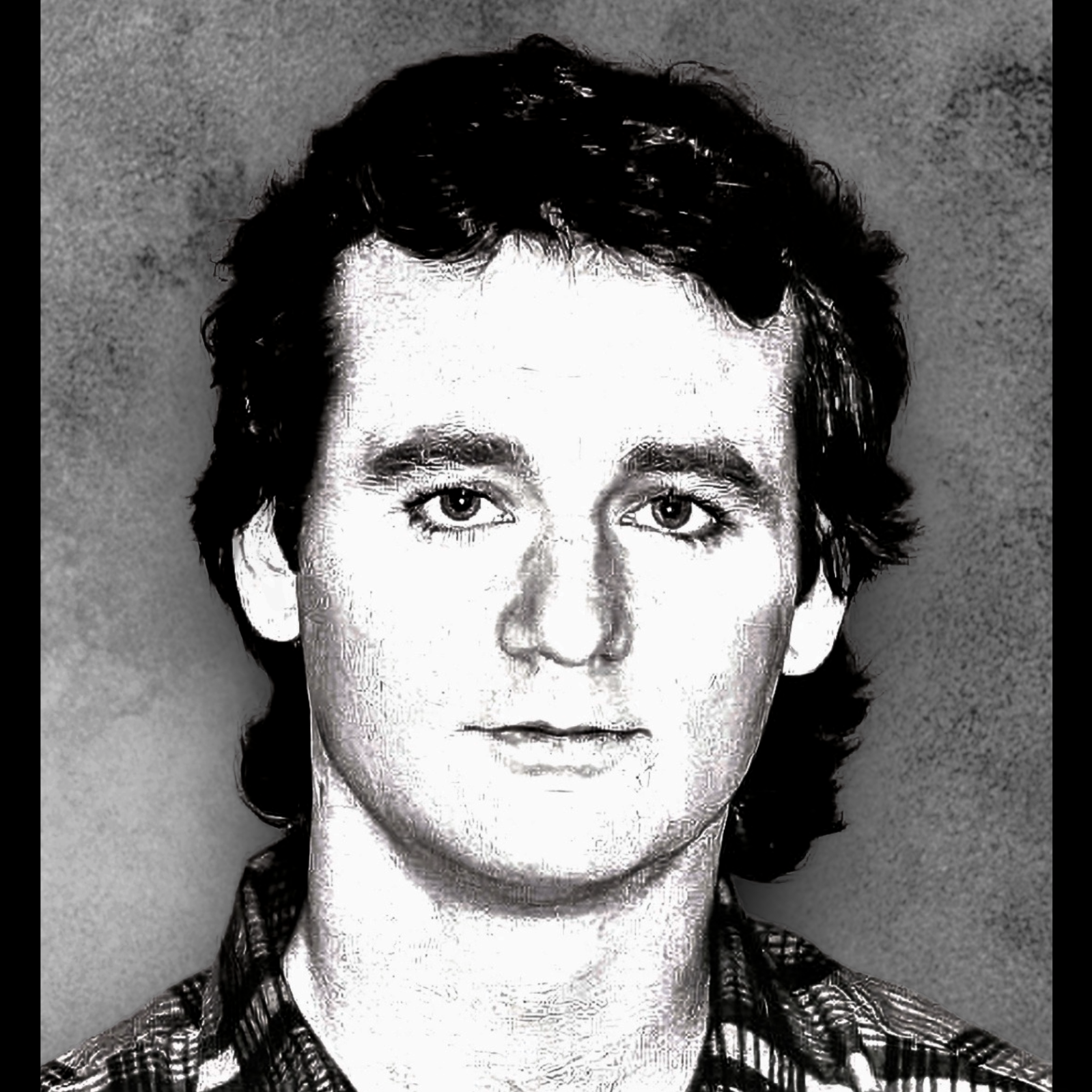
Bill Murray and the Art of Staying in the Game
The first full-length, rigorously researched biography of Bill Murray that treats him as a working actor and craftsman, not a meme or “difficult genius.” It follows him from Wilmette, Loyola and Second City through Saturday Night Live, Meatballs, Caddyshack, Stripes, Ghostbusters, The Razor’s Edge and Groundhog Day, into the Paris retreat, Rushmore, Lost in Translation, the Anderson and Jarmusch years and the late “meme economy,” reading fifty years of films and industrial history as evidence of how he built leverage, paid for it, and learned to stay in the game on his own terms.
2025
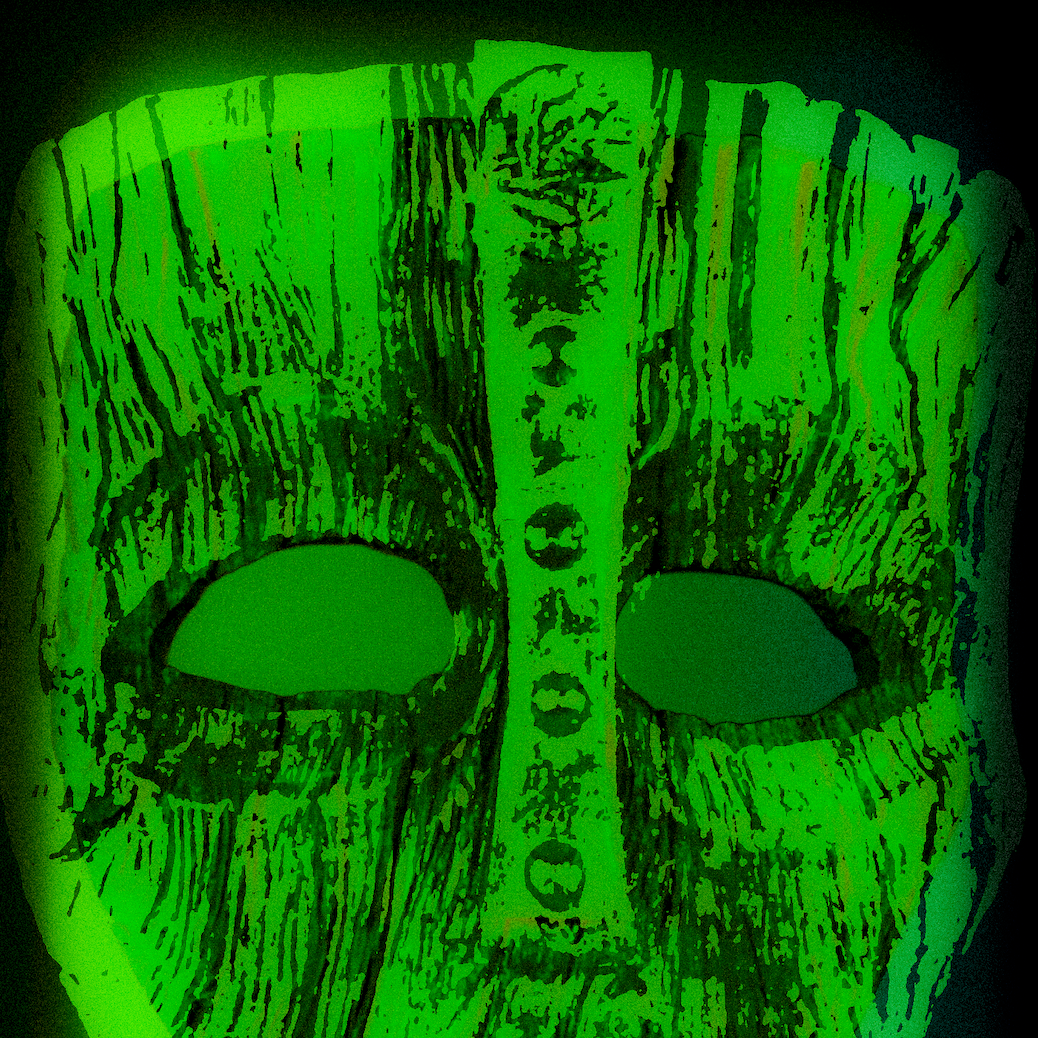
Jim Carrey Doesn't Exist: Masks
This is the first full-length biography of Jim Carrey that takes him seriously as both a person and a worker/artist inside a changing Hollywood machine. It traces him from a working-class childhood in Newmarket through the 1994 breakout and $20 million era, the Oscar shut-out and the collapse of the star-vehicle comedy, into late work like Kidding, painting and Robotnik. Using profiles, interviews, industry histories and box-office data, it’s a fully cited, narrative study that skips gossip and fan mythologising to ask a blunt question: what does it do to you to become everyone else’s idea of you?
2025
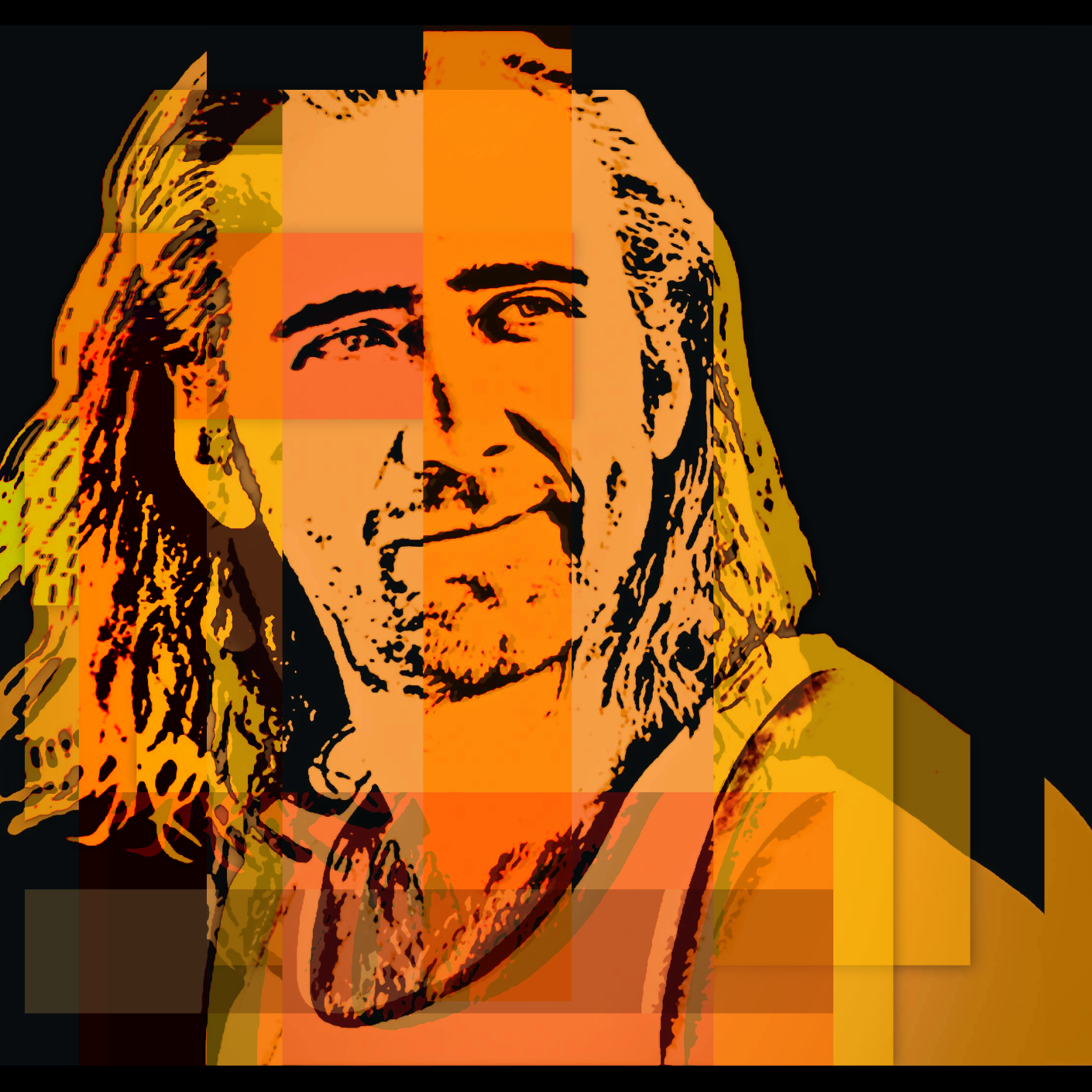
Nicolas Cage is the Wrong Question
The first full-length, rigorously researched biography of Nicolas Cage that treats him as an artist and worker, not a punchline. It follows him from the Coppola years and Birdy, Raising Arizona and Vampire’s Kiss through Leaving Las Vegas, the Bruckheimer run, Adaptation and National Treasure, into the tax crash, VOD grind, Pig, Dream Scenario and Longlegs, reading seventy-plus films and hundreds of sources as evidence of how his talent was used, indebted, strip-mined and, finally, partially reclaimed.
2025
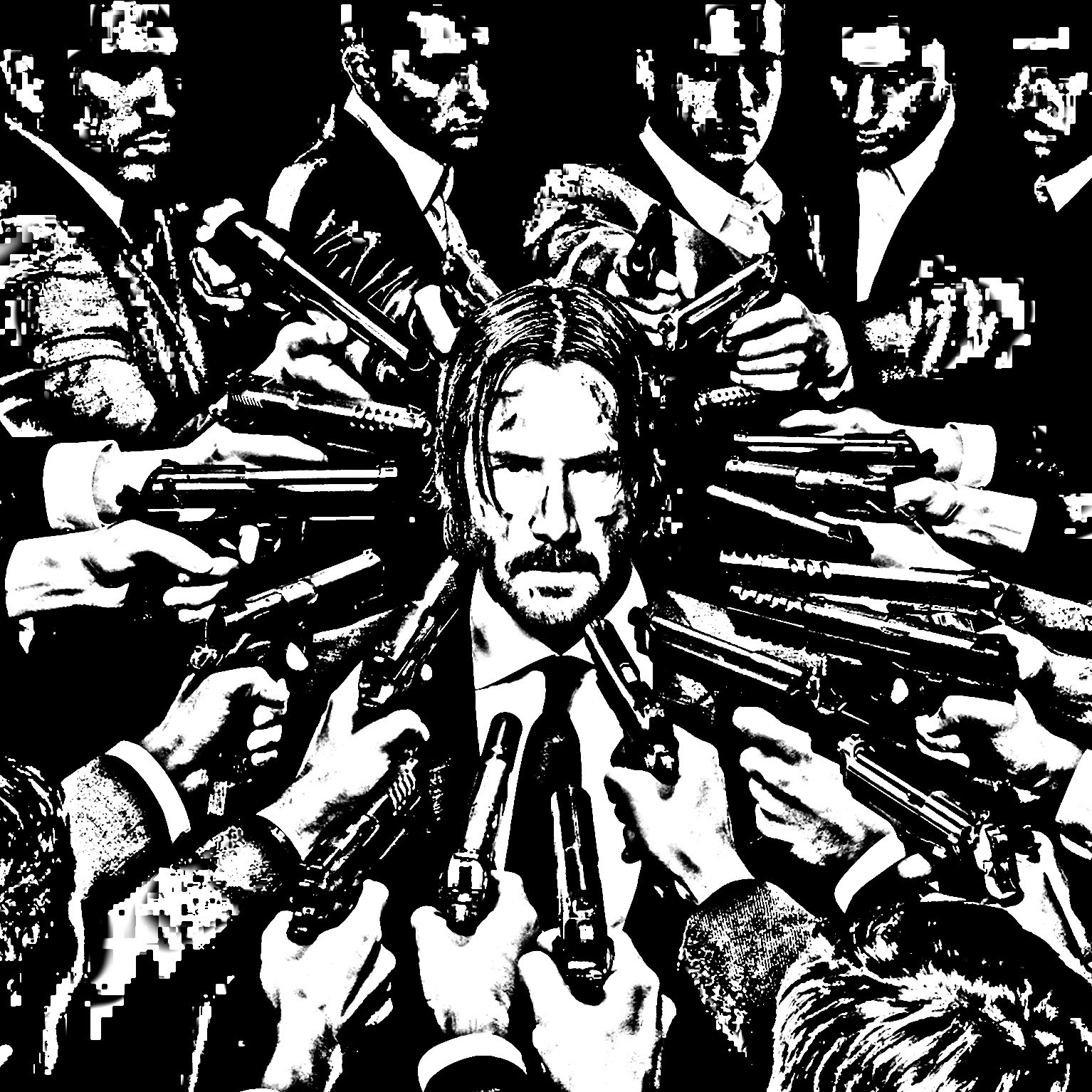
Keanu Reeves is Immortal
This is the first full-length, seriously researched biography of Keanu Reeves that treats him as more than just a nice guy or a mystery. It follows him from a precarious Toronto childhood through Bill & Ted and Point Break, the Matrix years and the long post-peak drift, into John Wick, ARCH Motorcycles and the quiet work of looking after crews and family. Drawing on profiles, interviews, trade coverage, box-office and production histories, it’s a fully cited narrative that skips gossip and conspiracy to ask what his seventy-plus films actually show: how a remarkable working actor turned four decades of hard labour into a way of protecting other people.
2025
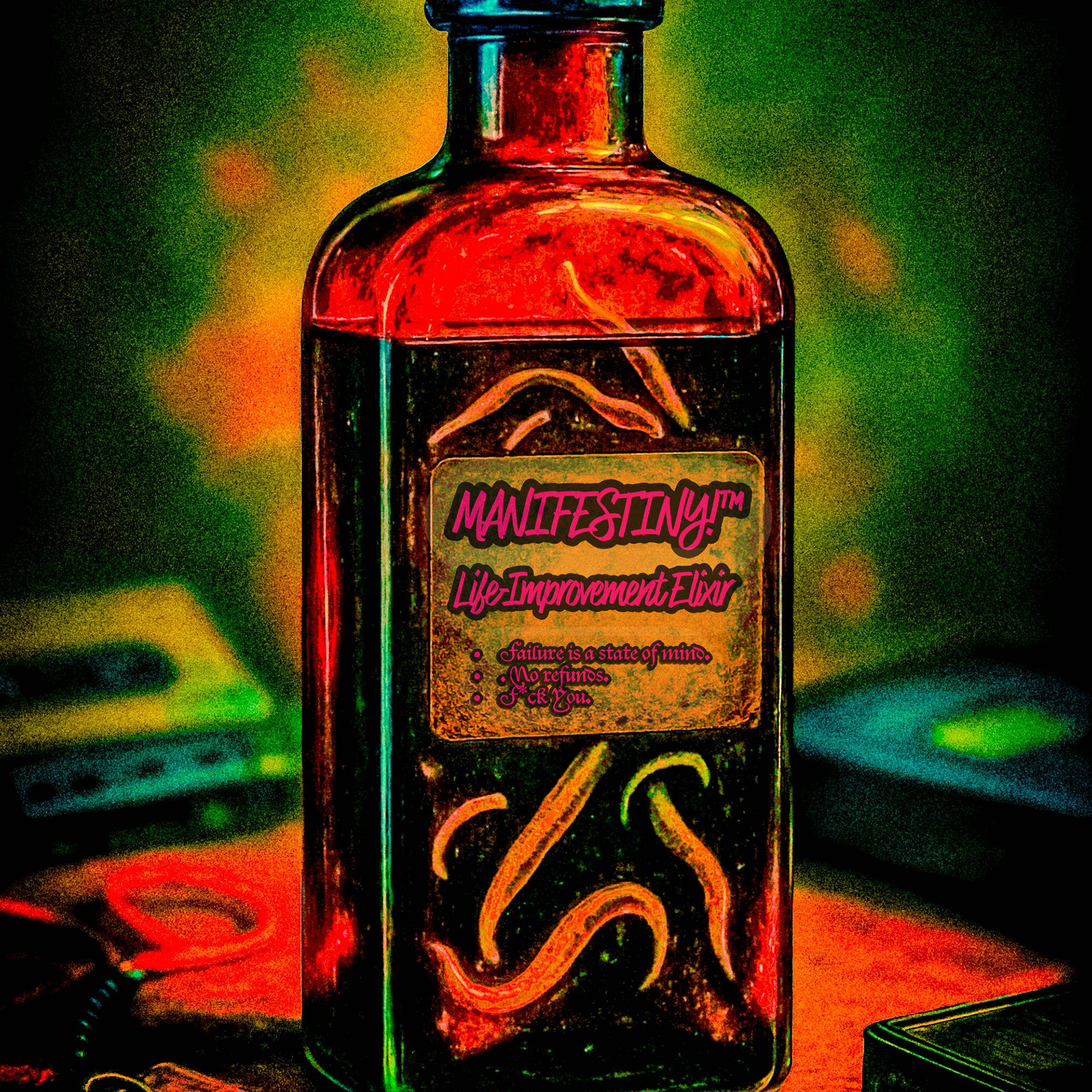
Bleeding You Dry: Self Help Lies (1900-2025)
Self-help says your life is your fault. This book names the people cashing in on that lie.
From Marden and Hill to Peale, Robbins, Ferriss, Vaynerchuk, Oprah, The Secret, and Atomic Habits, Bleeding You Dry uncovers how 125 years of gurus turned unemployment, burnout, and debt into “mindset problems.” Brutal, clear, and darkly funny, it’s the history of an industry that sells guilt as wisdom and calls exploitation “transformation.”
2025

The Secrecy Web: The Black-Box Republic (1865–2025)
The Secrecy Web is written from an openly Marxist position, in plain language, for workers, students, librarians, journalists, and anyone who suspects “national security” has been working for the other side. It tracks secrecy from Pinkerton files to CIA black sites to cloud data centres and contractor office parks, showing how laws, clearances, NDAs and trade secrets serve capital and empire. Its conclusion is blunt: secrecy wasn’t just misused by power—it helped rebuild the modern state so power could act without a public at all.
2025
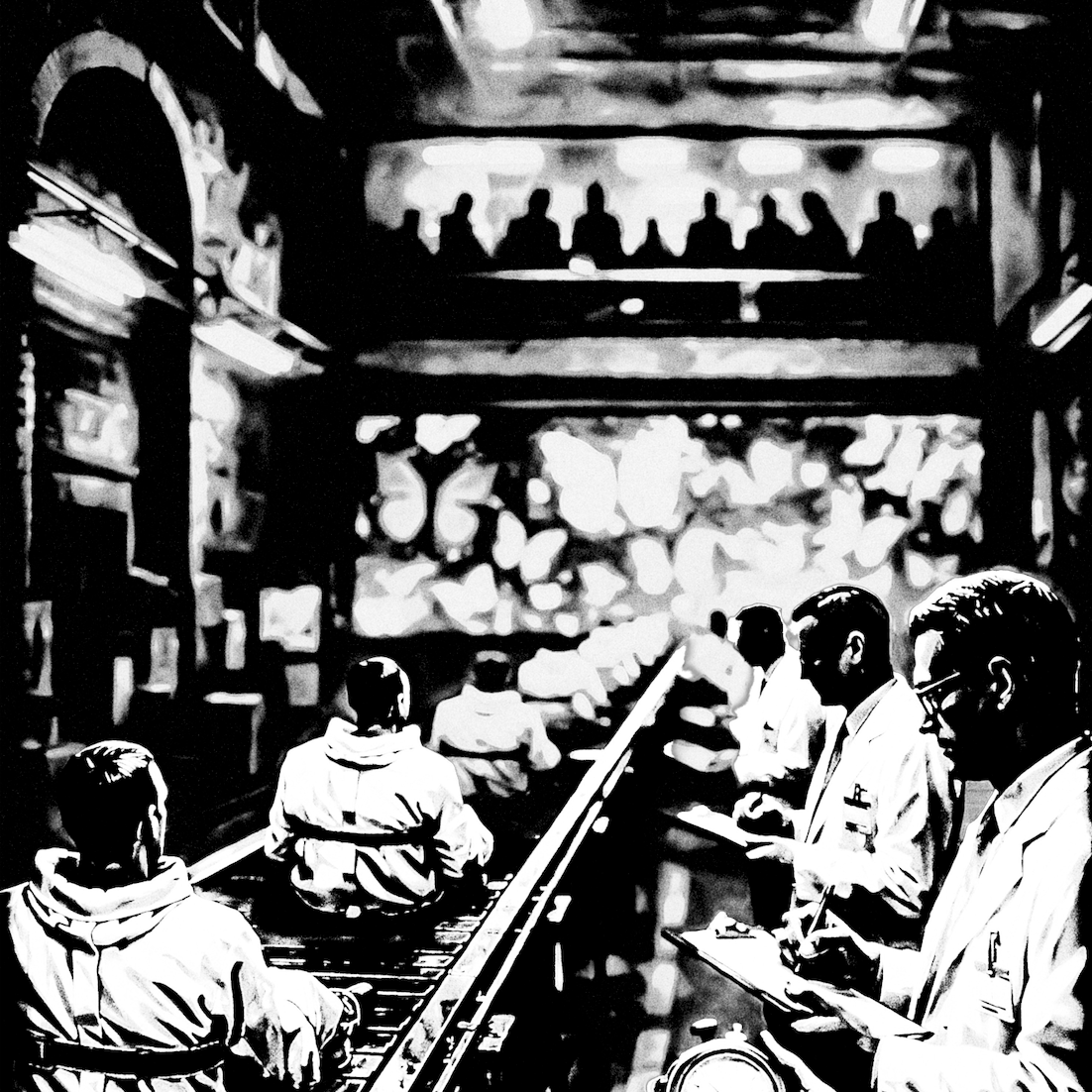
PSYCHE INC (1800–2025)
Psyche Inc is written from an openly Marxist position, in plain language, for patients, workers, students and practitioners who suspect “mental health” has been quietly working for the other side. It follows psychology from the asylum to the app and shows, case by case, how techniques sold as care, insight and resilience keep lining up with the needs of bosses, states and platforms. The book’s unfashionable conclusion is simple: psychology did not just get misused by power—it helped rebuild the modern self to fit what power required.
2025
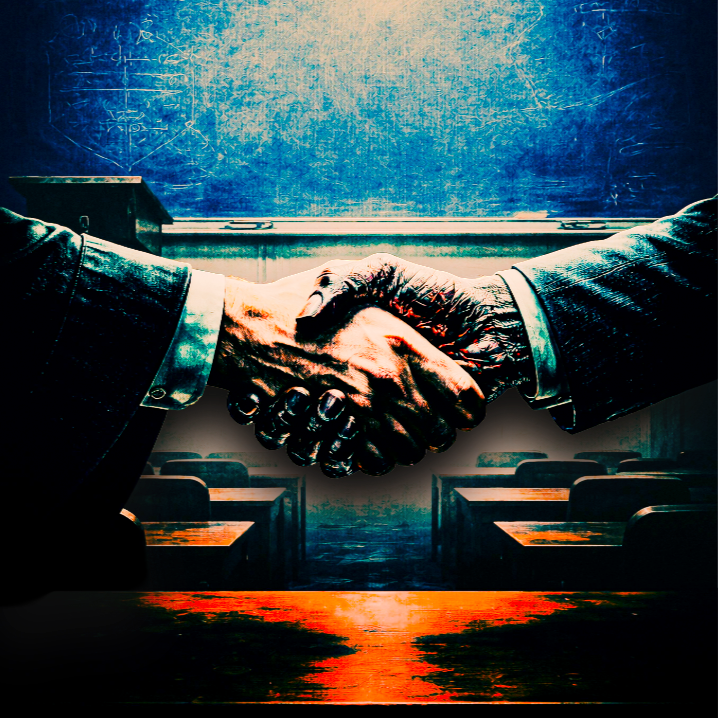
The Silent Pact (1810-2025)
The Silent Pact is written from an openly Marxist position, in plain language, for students, workers and academics who suspect they are standing inside a machine and are tired of being told it’s a sanctuary. It names the deal, maps the wiring, and insists on the unfashionable conclusion the institution has spent two centuries avoiding: the university did not just “fail” Marxism; it broke its own mind to keep Marxism out.
2025
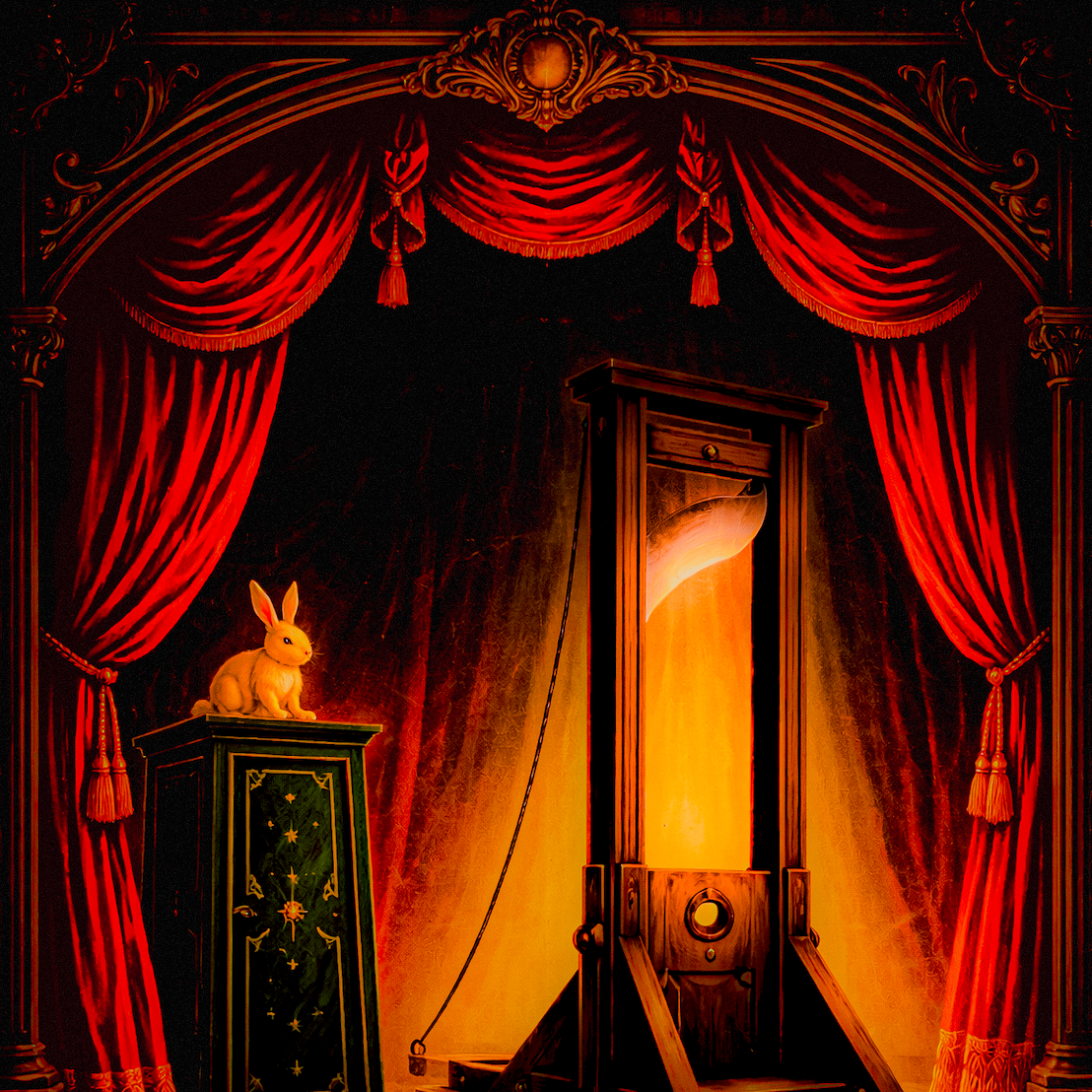
Under Blade and Light (1780–1910)
This isn’t a handbook on card tricks. It’s a history of how power learned to use them.
Across 130 years, Under Blade and Light tracks the overlap between showmen, secret orders, police, colonial officials, and “respectable” investigators—an evolving system that learned to sell belief, harvest secrets, and turn opposition into fuel. Built from court records, seized lodge files, colonial reports, trade journals, and trial transcripts, it follows one line from Cagliostro in 1780 to Houdini’s final years: intelligence contacts, missing files, and a legend that arrives a little too neatly.
2025

Ground Rules: How Public Space Was Stolen
Why does the bench have an armrest in the middle? From Haussmann's boulevards to algorithmic filtering, public space has been continuously redesigned to solve the same problem: capital needs your presence but fears your gathering. This book traces 175 years of urban control—real estate extraction, policing, spectacle, displacement, hostile architecture, surveillance—showing how six interlocking systems manage who belongs and who gets pushed out. The same mechanisms that trap the poor serve the wealthy. One city, two directions. Part of the Myths and the Machine series.
2025
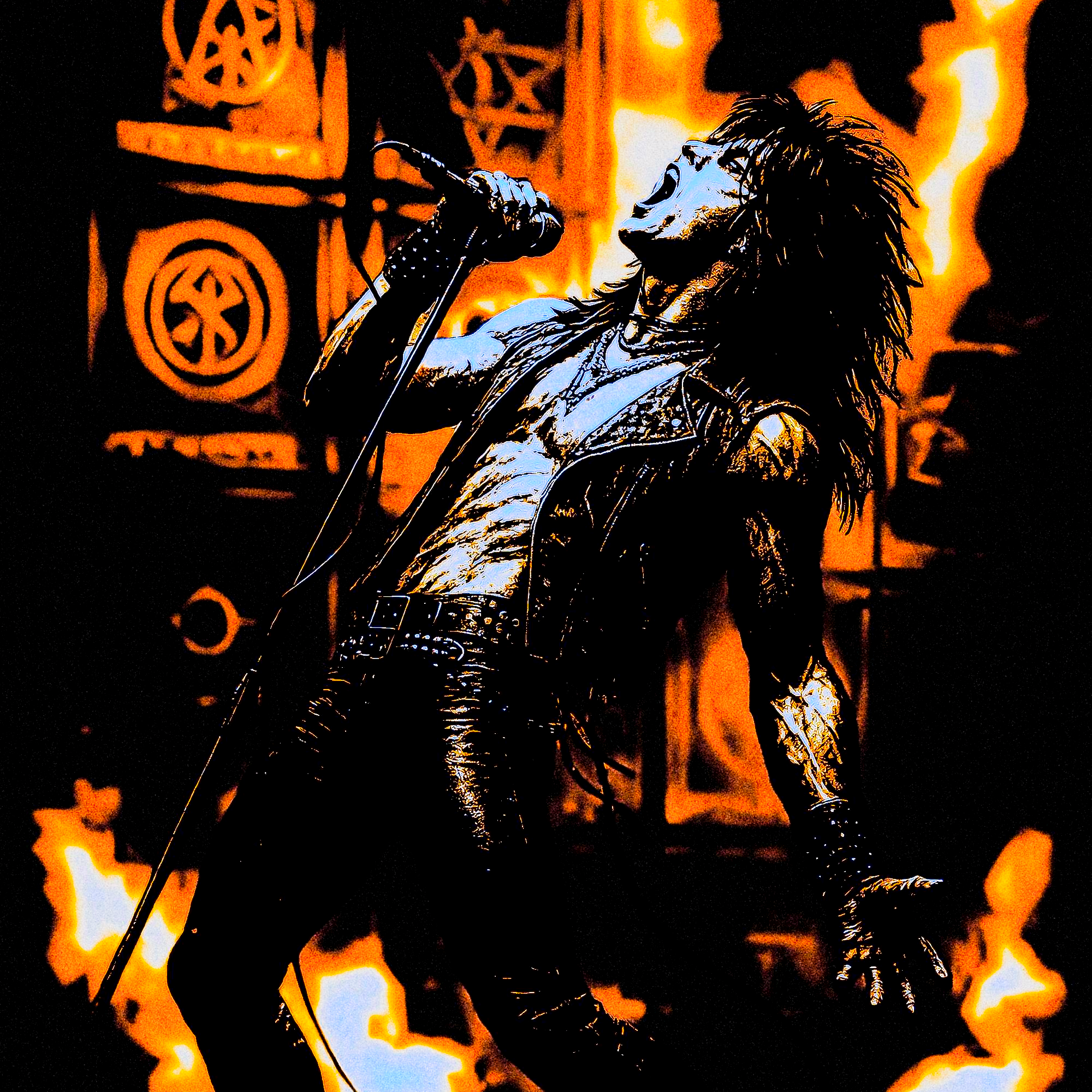
Pump It Up: Popular Music (1900-2025)
A structural history of how the music industry turned songs into a pipeline for profit, mood management, and data. Moving from sheet music and radio to MTV, live cartels, streaming and playlist culture, it shows how each “revolution” in music business solved one crisis by creating the next, concentrating ownership while tightening the leash on artists and listeners.
2025


Kill Screen: Games, Gambling, Money (1890-2025)
From penny arcades to Fortnite streams, Kill Screen is a 135-year investigation of how games turned into one of capitalism’s sharpest extraction tools. It follows the money through coin-ops, mall arcades, consoles, MMOs, mobile gacha and live-service platforms, asking the same question in every era: who profits, who pays, and who is being trained to keep playing? Blunt, sourced and readable, this is for anyone who loves games, hates being played, and suspects the real high score is on somebody else’s balance sheet.
2025
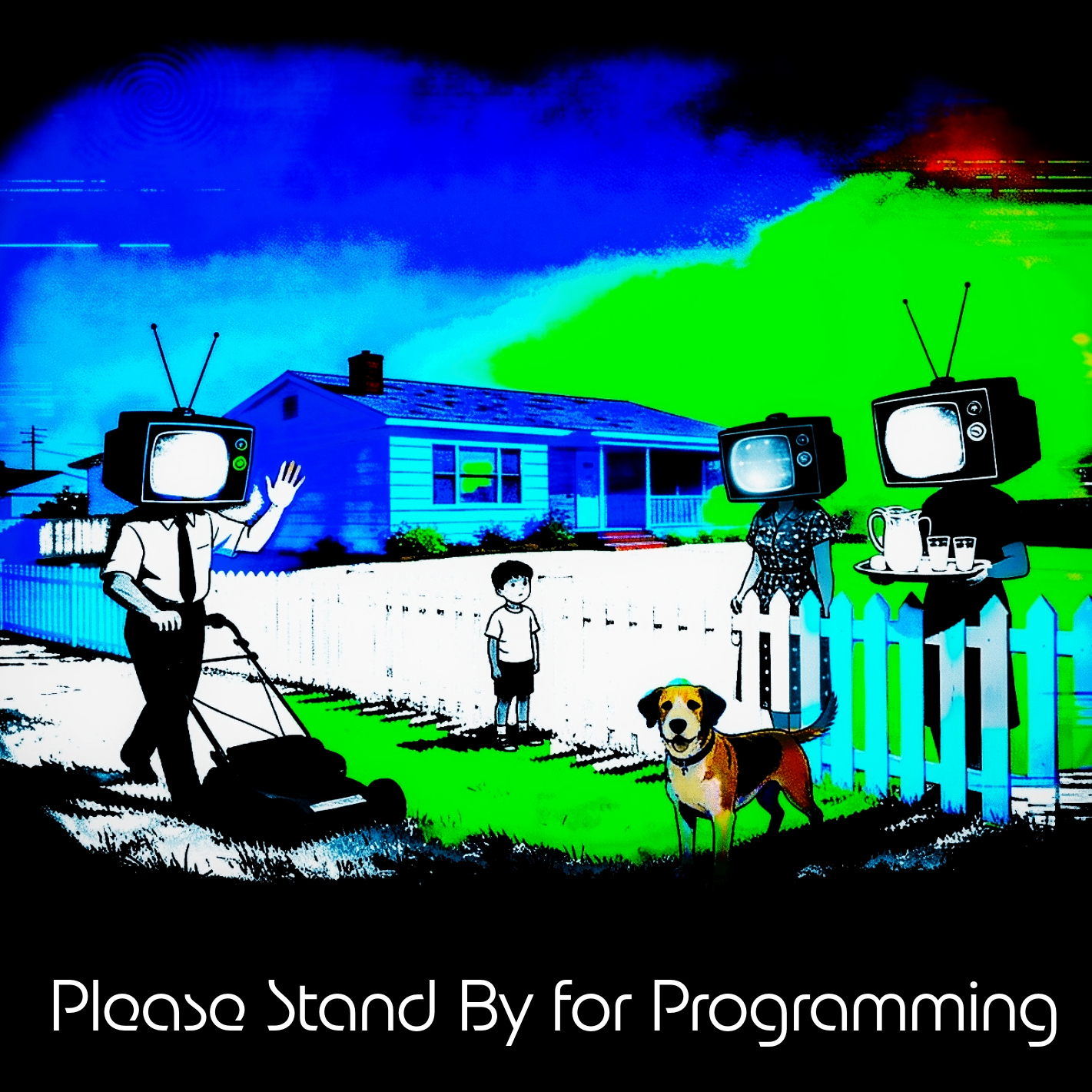
The Box: Please Stand By for Programming (1930–1975)
Why did the living room get rearranged to face one object? From early broadcast experiments to three-network domination, television was built to solve the same problem: capital needs your attention but can’t risk your autonomy. This book traces the schedule as domestic discipline—advertising, ratings, sponsorship, and state alignment—showing how “family time” became capture. The family gathered, but faced the same direction. One box, one reality. Part of the Myths and the Machine series.
2025

The Cable: Your Line Is Now Connected (1975–2005)
Why did “more channels” feel like freedom? From HBO going satellite to the 500-channel era, cable was built to solve the same problem: capital needed more attention, but couldn’t keep everyone in one room. This book traces how fragmentation became a business model—subscription fees, niche targeting, deregulation, and consolidation—showing how choice was engineered into sorting. The family split into separate screens. The audience was packaged by demographic and ideology. One line, many windows. Part of the Myths and the Machine series.
2025
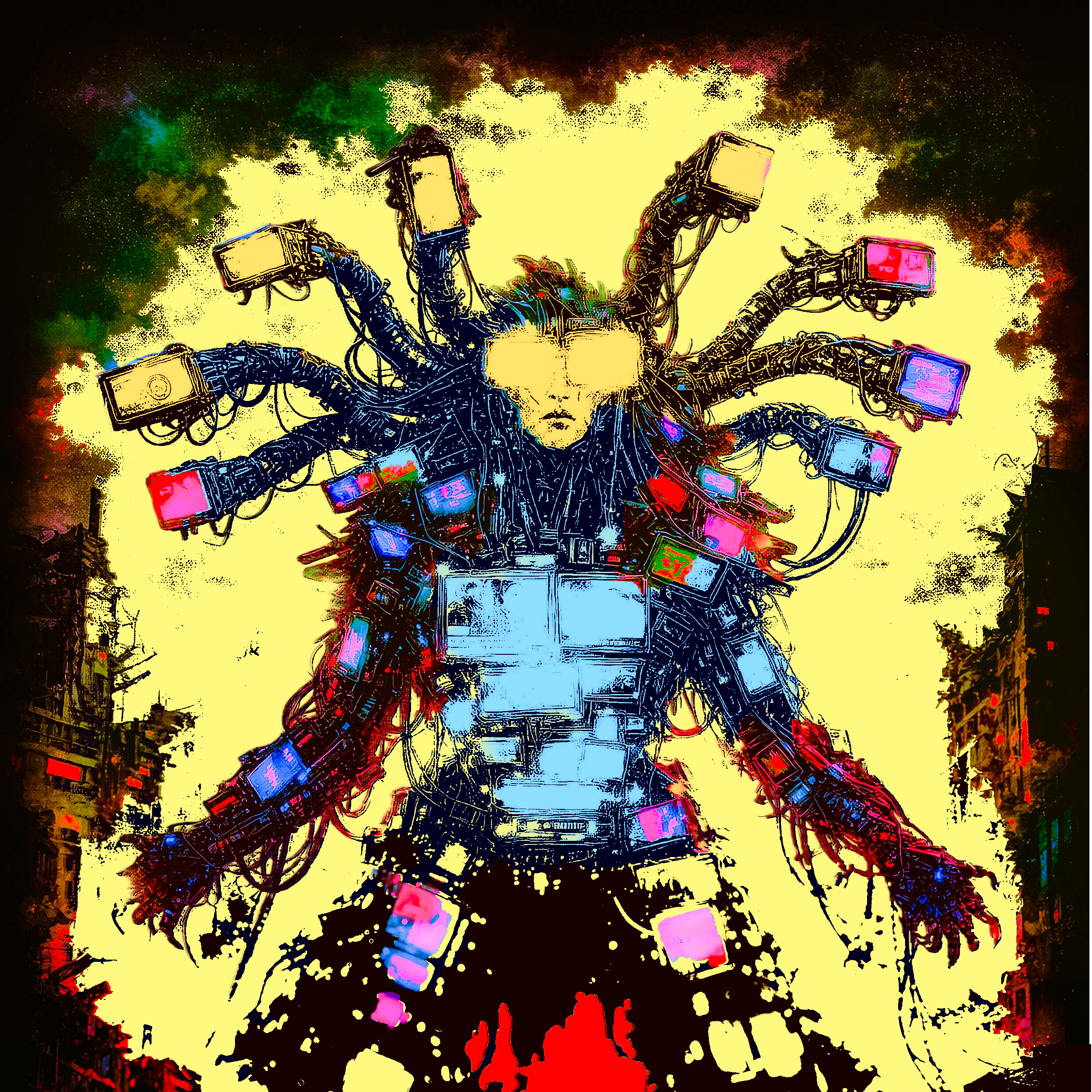
The Feed: Are You Still There? (2005–2025)
Why does the feed never end? From YouTube and streaming to the smartphone era, platforms were built to solve the same problem: capital needs your attention all day, but can’t tolerate an off switch. This book traces how abundance became capture—recommendation engines, notifications, A/B testing, surveillance advertising, and soft censorship—showing how the screen moved from the living room into your pocket. The box trained us to watch. The cable trained us to choose. The feed trained us to scroll. Part of the Myths and the Machine series.
2025
Owning the Audience: Vol I Birth of the Studio System
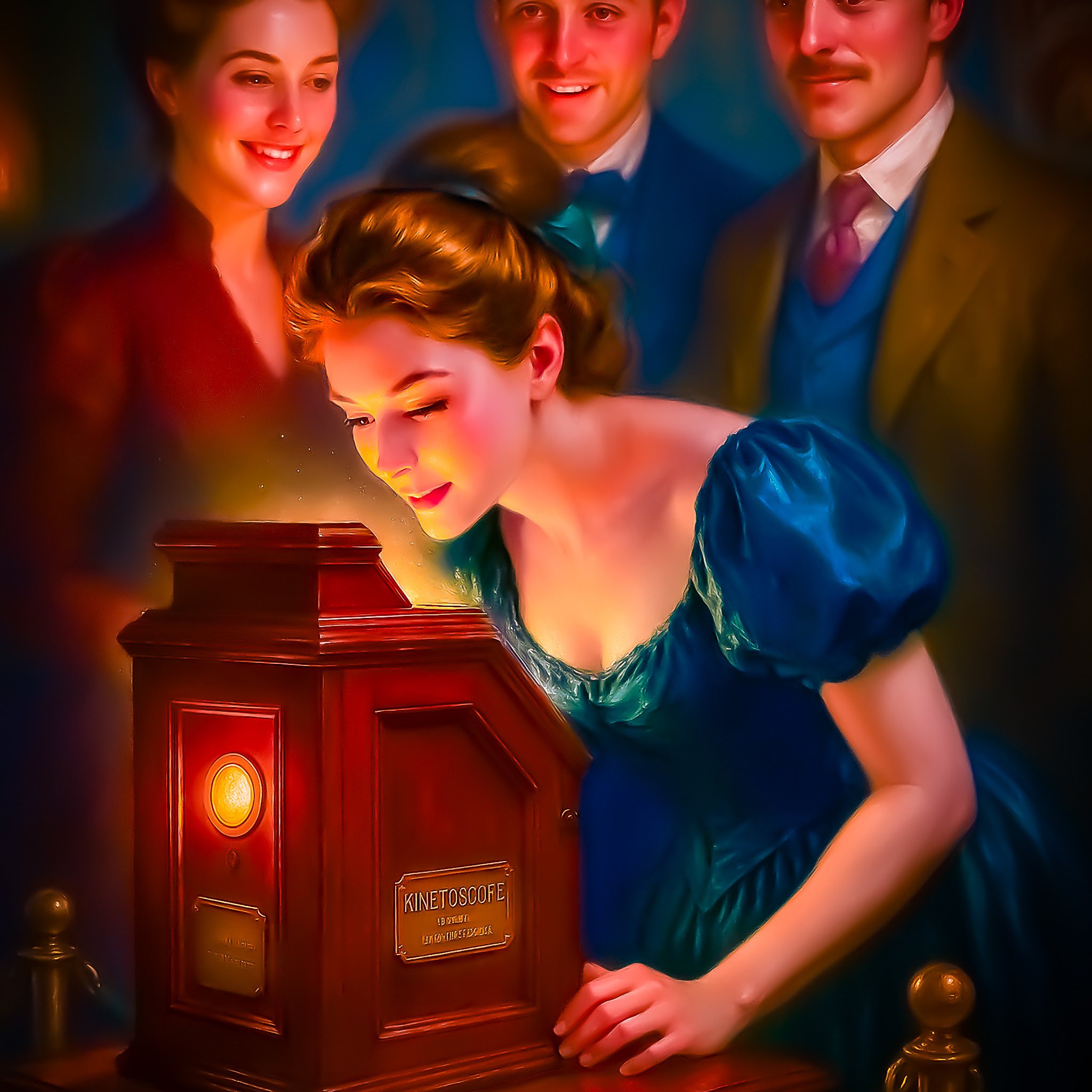
Owning the Audience: Vol I The Birth of the Studio System traces Hollywood's first monopoly across five decades of industrial evolution—from Edison's failed patent empire through the Big Five's golden age to the Paramount Decrees' paradoxical aftermath—revealing why controlling distribution has remained the key to controlling cinema. The first of a trilogy, it is followed by Vol II Empire of Influence and Vol III The One-Way Mirror.
2025
Owning the Audience: Vol II Empire of Influence
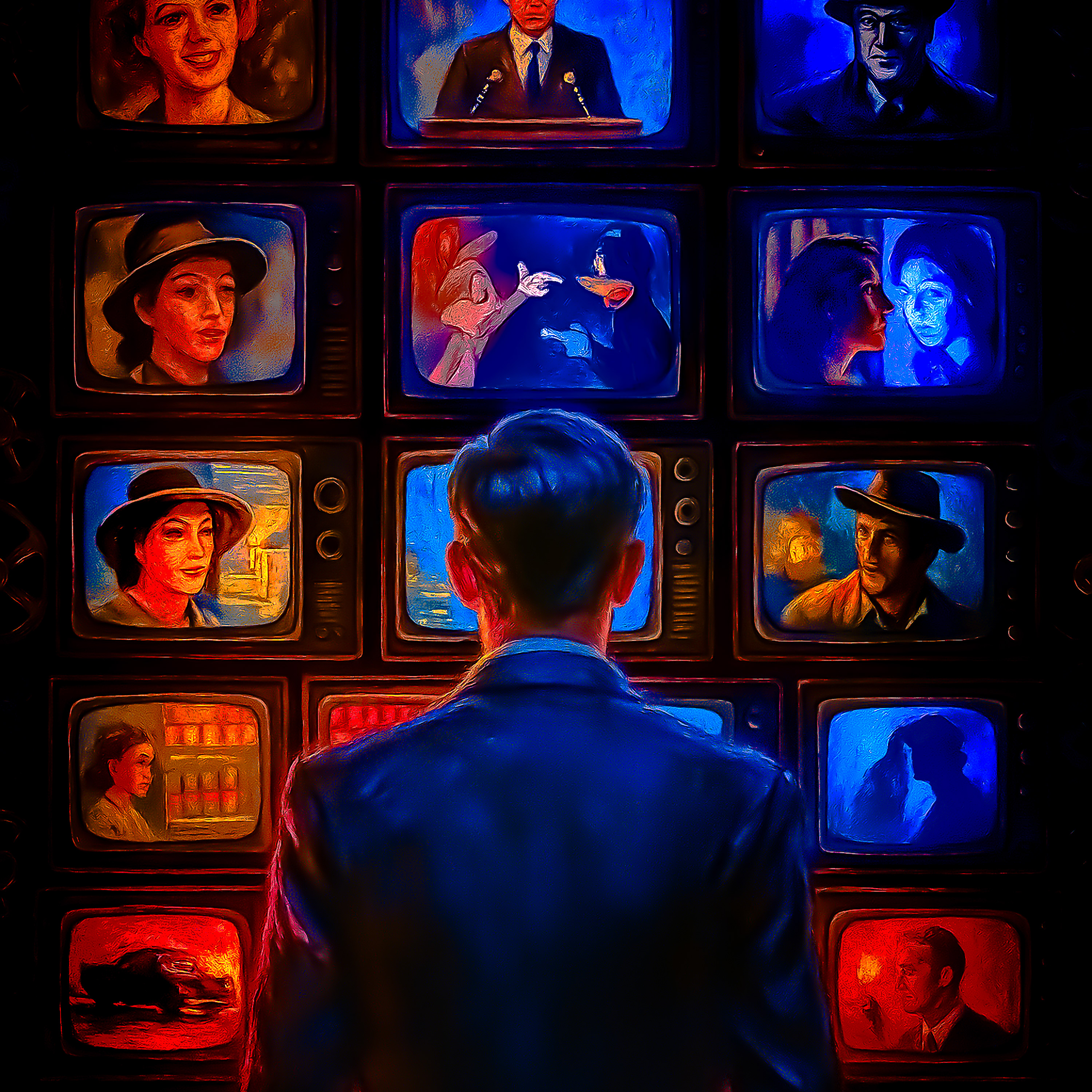
The Paramount Decrees tore theaters from the majors and seemed to end the old order; instead, the industry learned a new game.
Over five decades, the studios shifted from owning screens to owning the pipeline—turning libraries into cash engines, turning television from threat into sibling, and turning the “window” into the basic unit of profit.
2025

Owning the Audience: Vol III The One-Way Mirror
This third volume of the OTA trilogy traces Hollywood's digital transformation across twenty-five years of disruption and adaptation—from AOL-Time Warner's catastrophic convergence bet through Netflix's patient platform-building to Disney's defensive integration—revealing why studios restored vertical integration more completely through streaming than they ever achieved through theater ownership.
2025
How DC Tried to Build a Universe —and Lost the Plot
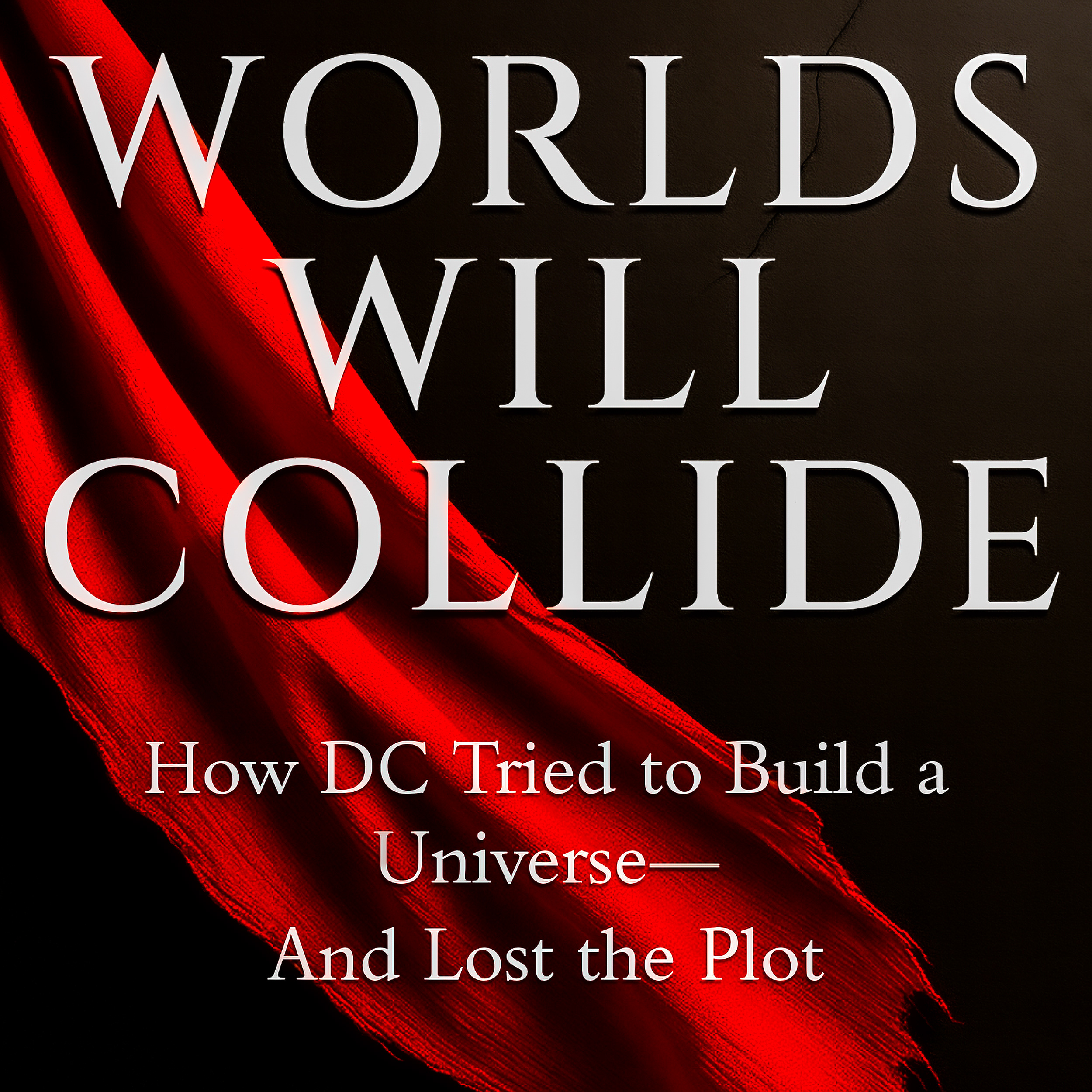
Forensic business journalism examining how Warner Bros. burned through six leadership teams and billions of dollars trying to build a DC cinematic universe (2013-2025). Based on SEC filings, court documents, and trade reporting. Investigative analysis in the Peter Biskind tradition—not fan commentary.
2025